You know the feeling. A dental appointment reminder pops up on your phone, and your stomach tightens. Maybe it’s the needles. Maybe it’s the sounds and smells. Maybe it’s a bad experience from childhood that never quite faded. So you tell yourself next month would be better, and next month becomes next year. If any of this sounds familiar, you are in good company. Dental anxiety affects millions of people, and skipped visits give small problems time to grow into bigger ones.
So can sedation dentistry help, and is it worth it? For many nervous patients, the answer is yes. Sedation is safe when handled by a trained provider, and it can be the difference between getting the care you need and avoiding it. But it isn’t right for everyone, and the best choice depends on the patient’s health, anxiety level, and the treatment planned. Here is what patients should know.
What is Sedation Dentistry?
Sedation dentistry uses medication to help patients relax during treatment. It is not the same as being “put under” for surgery. In most cases, the patient stays awake, breathes on their own, and can respond to the dentist. There are three common levels of sedation in use today.
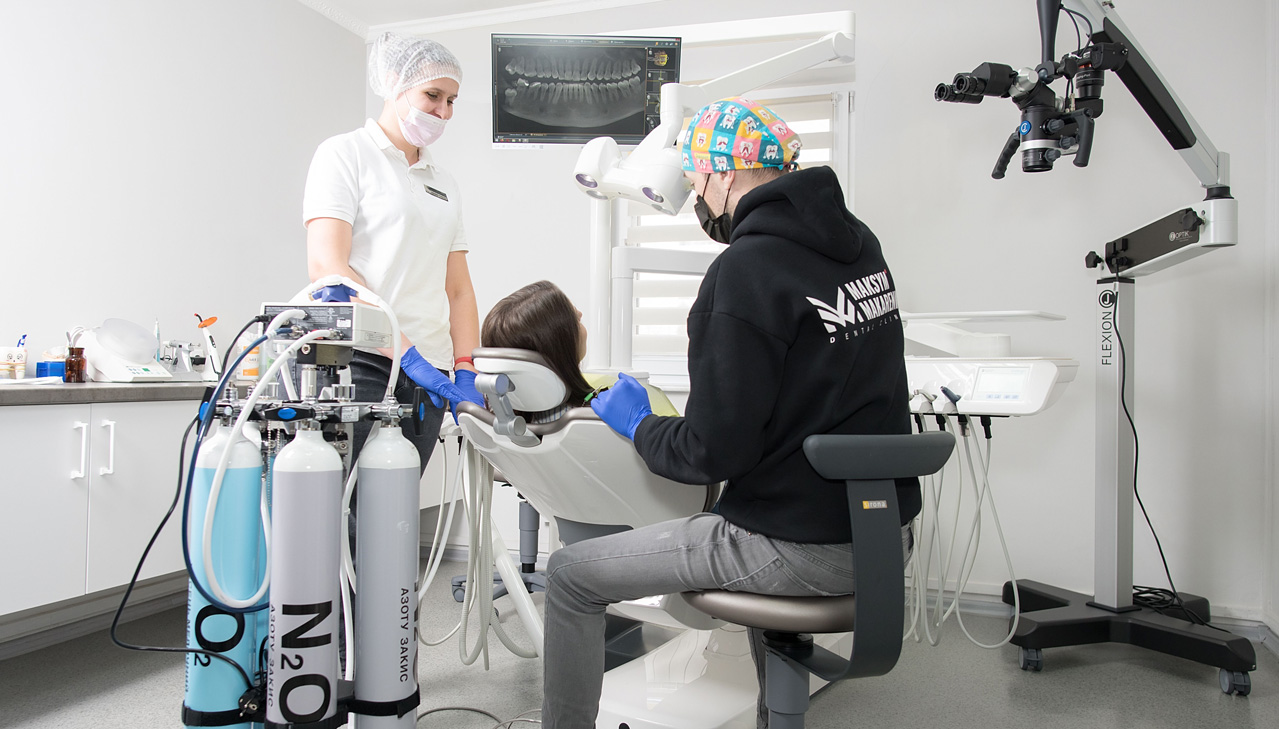
Nitrous oxide, often called laughing gas, is the mildest option. The patient breathes it through a small mask over the nose, and the gas helps them relax. It takes effect within minutes and wears off almost as quickly. Most patients can drive themselves home after their appointment.
Oral sedation involves taking a prescribed pill before the appointment. This medication produces a deeper sense of calm than nitrous oxide. Patients often feel drowsy and may remember little about the visit. Someone else needs to drive them home.
IV sedation delivers medication through a vein, which allows the dentist to adjust the dose during treatment. It is the deepest of the three and is often used for oral surgery or severe anxiety. The dental team monitors the patient’s breathing and heart rate throughout, and a ride home is required.
Is Sedation for Dental Anxiety Safe?
This is the question patients and parents ask most, and the research is reassuring. A study in 2025 covering roughly 12,500 patients found that dental sedation is safe for children and adults, with side effects occurring in fewer than 5% of cases.
Nitrous oxide has an especially strong track record. The gas works well for mild anxiety, takes effect in under a minute, and allows for full recovery within about five minutes after the mask is removed. The American Dental Association notes that modern delivery systems include at least 12 built-in safety features designed to prevent problems during use.
Deeper sedation using oral and IV medications has been studied too. These options can help anxious patients relax safely, with minor side effects in only about 3-5% of visits. When side effects do occur, the most common issue is mild nausea.
The patient’s health history is an important factor when determining if dental sedation is safe. Conditions that affect breathing, such as sleep apnea, as well as heart problems, pregnancy, and certain medications can all change which options are appropriate. That’s why dentists review each patient’s medical history and medication list before recommending sedation.
The takeaway: in the hands of a trained provider who reviews the patient’s health history and monitors them properly, dental sedation carries a low level of risk and can help patients get the dental treatment they need for maintaining good oral health.
Do I Need Nitrous Oxide?
While dental sedation such as nitrous oxide is safe and effective, not everyone needs it. Patients with mild nerves often do fine with simpler methods for managing their anxiety, like asking questions ahead of time, agreeing on a hand signal for breaks, or listening to music during treatment.
Sedation makes the most sense in specific situations. It may be worth considering when anxiety causes a patient to cancel or avoid needed care, when a strong gag reflex makes treatment difficult, or when a procedure is long or complex. It can also help patients with certain physical or cognitive conditions sit comfortably through treatment.
The right level depends on the patient. Someone with mild jitters before a filling may only need nitrous oxide. Someone facing wisdom tooth removal after years of avoidance may be a better fit for oral or IV sedation. Health history matters as well, since some medications and conditions affect which options are appropriate.
Is It Worth the Cost?
There is typically an additional fee for dental sedation, and insurance often does not cover it when the reason is anxiety alone. Nitrous oxide and oral medications are the least expensive, while IV sedation costs more because it requires extra training, equipment, and monitoring.
For patients weighing that expense, it helps to consider the cost of waiting. A small cavity treated today is far less expensive than the root canal or extraction it can become. For a patient who has avoided the dentist for years, sedation may be the difference between getting care and putting it off again.
Questions to Ask Before Dental Sedation
Before choosing sedation, patients should ask a few direct questions:
- Which level of sedation is recommended, and why?
- What training and certification does the dentist have for this level of sedation?
- Who will monitor the patient during treatment, and how?
- What should the patient expect during recovery?
- What is the total cost, and is any of it covered by insurance?
A qualified provider will welcome these questions and answer them clearly.
Don’t Let Anxiety Keep You Away From the Dentist
Sedation dentistry is not a luxury add-on or a requirement for every visit. It is a legitimate, well-studied tool that helps certain patients get care they might otherwise skip. For patients whose anxiety has kept them away from the dentist, it is worth a conversation. The best option depends on the patient’s health, anxiety level, and the treatment planned, and the right starting point is an honest talk with the dentist about both.
Find a dentist near you to learn about your options.