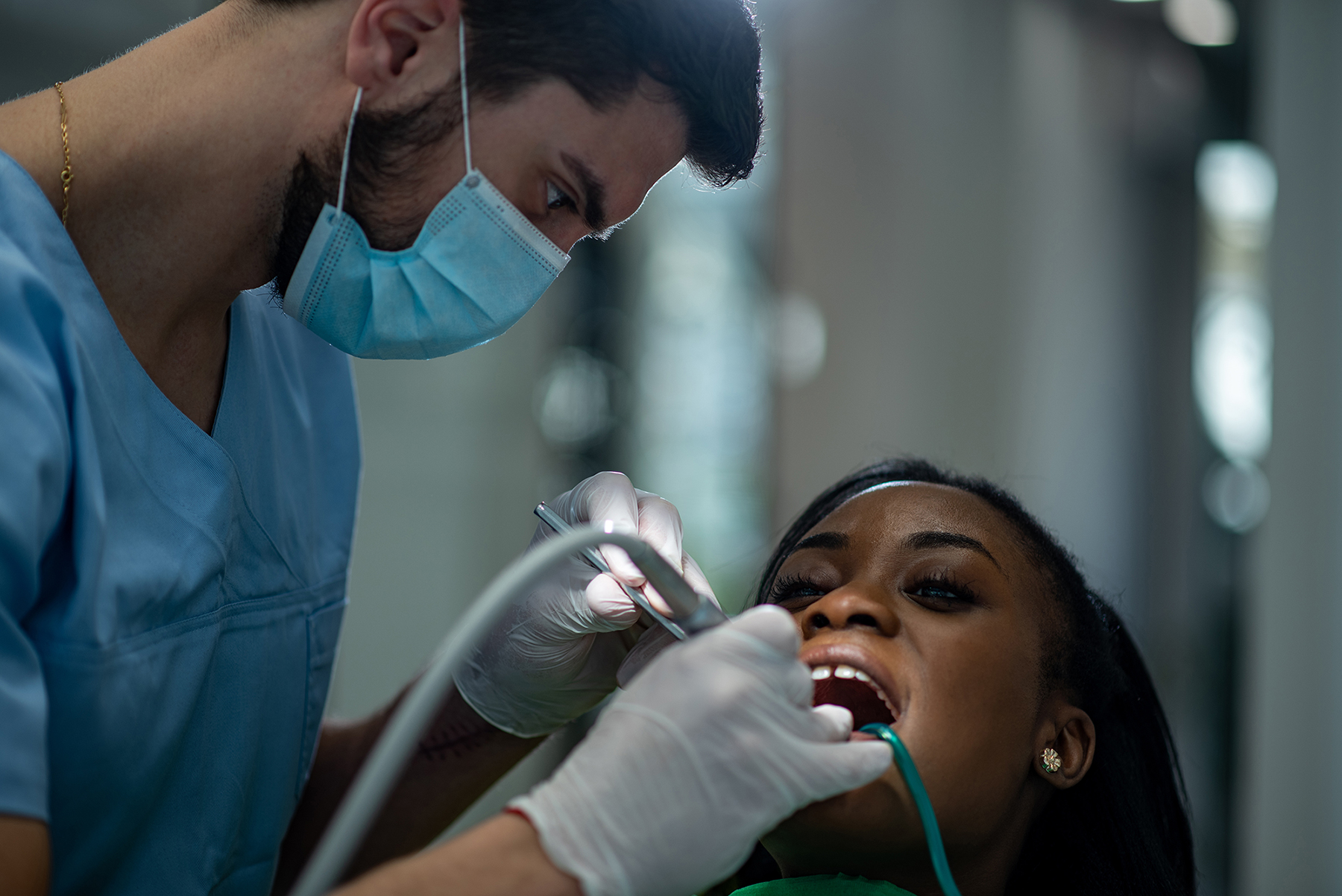
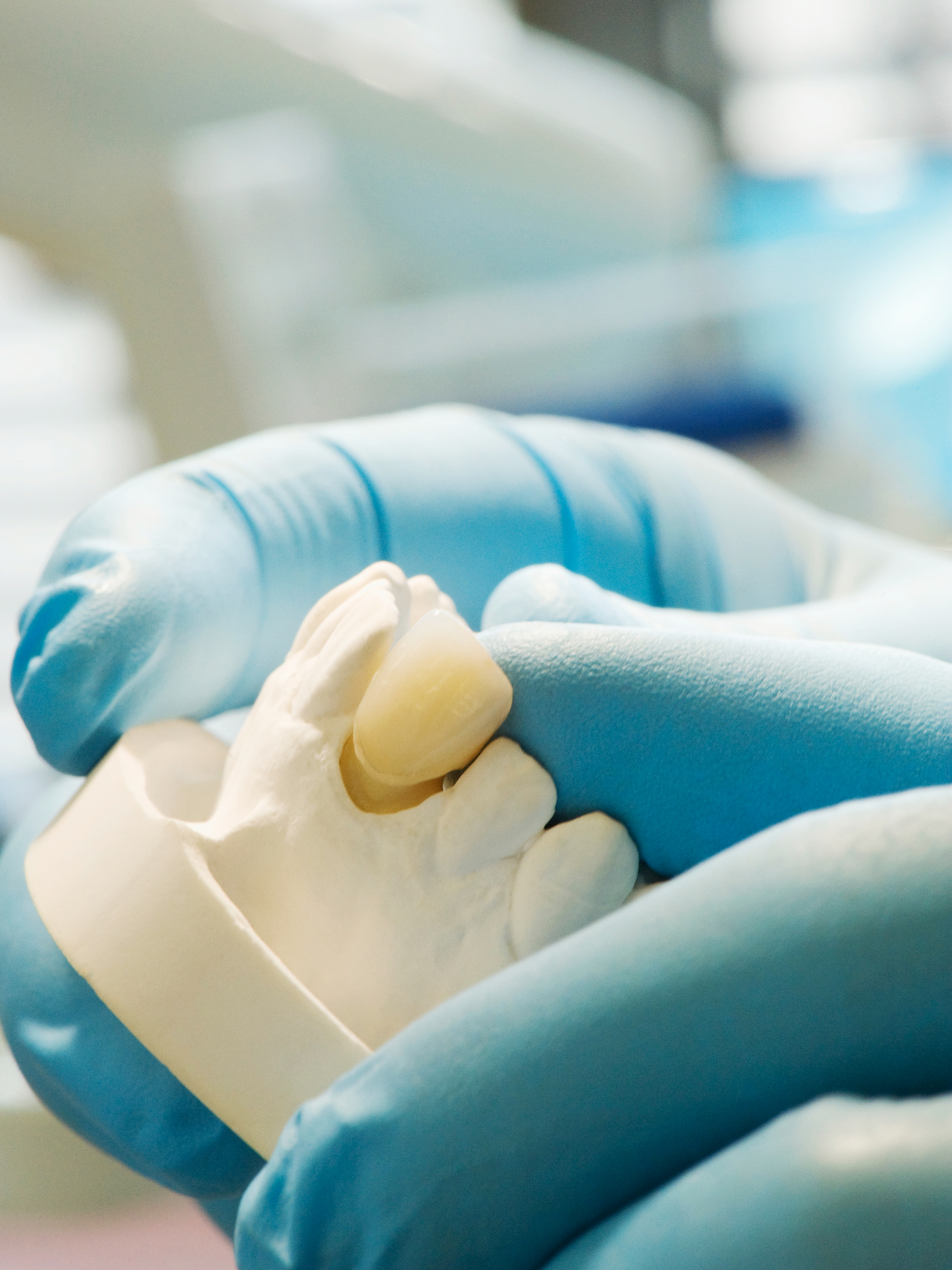
Unless a patient is getting a same-day crown that’s made in the office and placed within hours after a dental procedure, he or she has to wait up to two weeks for a permanent crown to be made. In the meantime, a temporary crown is placed over the damaged or decaying tooth to protect it and allow it to function normally.
These temporary crowns are a normal part of getting a crown. Understanding their purpose can help ease any uncertainty about whether or not they are needed and let patients know what to expect.
The Purpose of a Temporary Crown Before a Permanent Crown
A dentist usually recommends a crown if a tooth needs a large filling, has had a root canal, or is cracked or broken. Because the natural tooth’s strength and stability has been compromised, a crown is placed over it to restore, protect, and support it.
To ensure a proper fit, the dentist shaves down the natural tooth to make room for the crown, removing a small amount of protective enamel in the process. The dentist then makes an impression of the tooth and sends it away to a lab, where a permanent tooth will be made. Since it takes up to two weeks for a permanent crown to be produced, the dentist places a temporary crown over the tooth to protect it in the meantime.
Research has shown that temporary crowns are fundamental to the short-term preservation of the tooth and the long-term success of the permanent restoration, with benefits such as:
Reducing Sensitivity
Because some of the dentil layer is removed when shaving the enamel, nerves can become irritated when cold or hot foods or beverages are consumed or if something rubs against the tooth. A temporary crown covers the exposed dentin to protect from irritation.
Protecting the Natural Tooth
Once a tooth’s protective enamel has been compromised during crown preparation, plaque and bacteria can make their way in, leading to infection or further decay. A temporary crown seals the tooth to prevent further damage.
Allowing the Patient to Chew More Comfortably
Rather than having to eat soft foods or chew on the opposite side of the mouth for two weeks, a temporary crown can handle the force of biting and chewing normal meals better than the shaved down tooth (with the exception of crunchy and chewy foods, which could dislodge or break the temporary crown).
Helping to Maintain Spacing and Bite Alignment
Teeth naturally drift and shift when they lose contact with neighboring teeth. If the prepared tooth shifts by even a fraction of a millimeter, the permanent crown that has been crafted to fit an exact space will not fit properly.
Preventing Gum Swelling
Without a placeholder, gum tissue can swell over the edge of the prepared tooth, ruining the precise fit needed for the permanent tooth to seal. A temporary crown keeps gums at bay.
Maintaining Proper Speech
The shape of teeth plays a role in how certain words and sounds are pronounced. A temporary crown can help minimize short-term speech impediments that might occur while the permanent crown is being made.
Improving Self-Confidence
Patients can feel self-conscious while waiting for a permanent crown, particularly if a damaged tooth is visible when talking or smiling. A temporary crown plays an important aesthetic role by allowing the patient to maintain a more natural appearance.
What if a Temporary Crown Falls Off?
Temporary crowns usually fit the damaged tooth fairly well, but they can fall off in some cases.
If this happens, patients should:
- Save the crown: Rinse it gently with water and put it in a safe, clean bag or container.
- Call the dentist: The office will want to get you in within a day or two to avoid leaving the prepared tooth unprotected.
- Keep it clean: Gently brush the area and rinse with warm salt water to prevent infection.
- Eat carefully: Avoid hard, sticky, or very hot and cold foods that can irritate the exposed nerves and damage the prepared tooth.

What if My Temporary Crown Hurts?
It’s normal for a temporary crown to feel a little uncomfortable simply because the bite is different or the tooth is a slightly different shape than the natural tooth was, but it shouldn’t cause severe pain. It’s important to let a dentist know if any of these symptoms are present:
- Pain when biting down that is severe, gets worse over time, or continues after a few days. This may mean that the temporary crown doesn’t fit correctly and is putting too much pressure on the tooth.
- Severe toothache. This can indicate that the crown fits poorly or that the tooth is fractured.
- Gum or tooth pain that doesn’t go away after a few days or is accompanied by swelling, redness, a fever, bad breath or a bad taste in the mouth. Some research indicates that the properties of temporary crowns can make it easier for bacteria to enter and cause infection.
Still Wondering Why a Temporary Crown is So Important?
A knowledgeable dentist can explain why a temporary crown before a permanent crown is necessary. If you have more questions about the dental crown process, make an appointment with a dentist near you today.