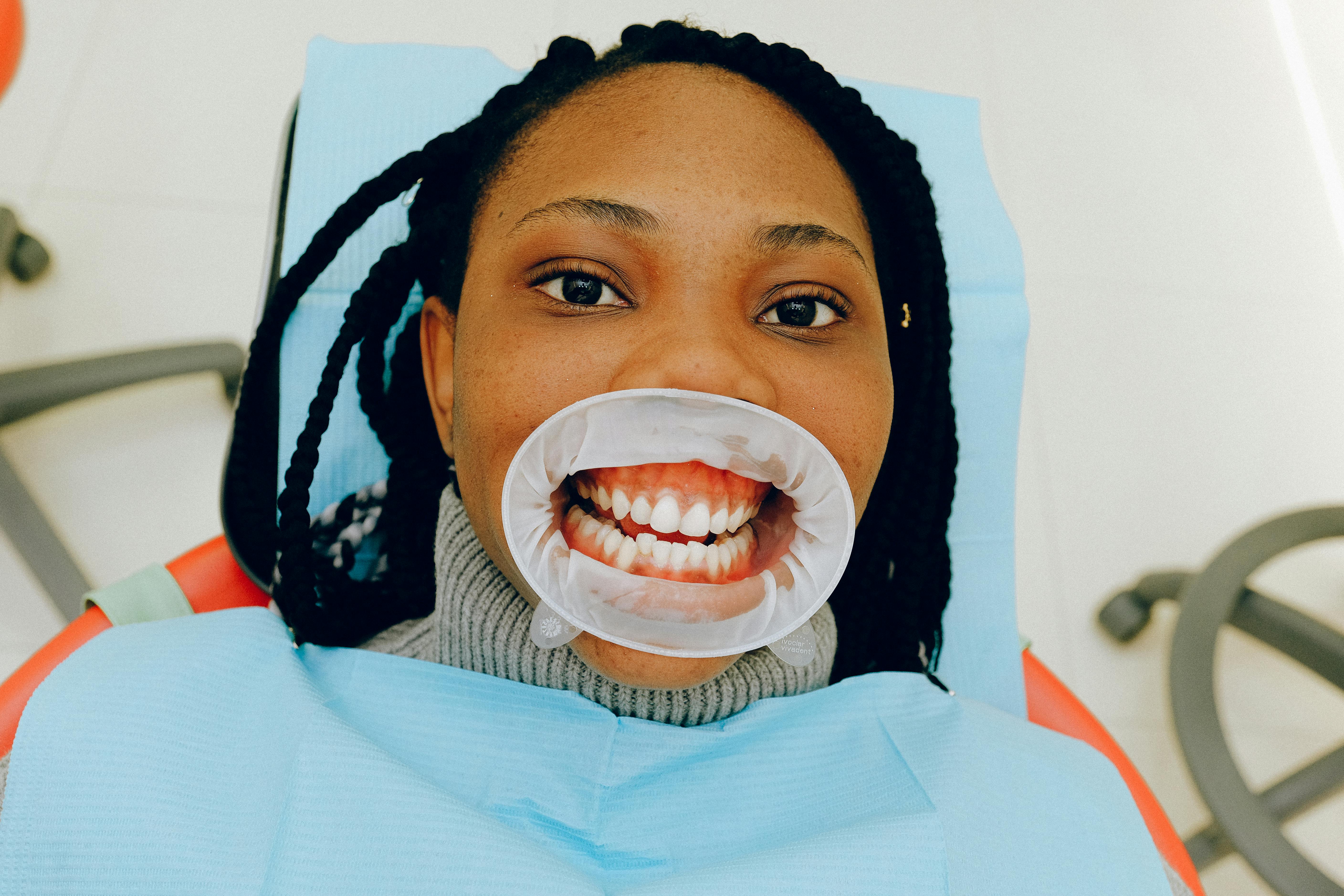
When most people think about a smile, teeth are generally the first thing that comes to mind. Yet, gums also play an important role in the way a smile looks. Some people’s gums are more noticeable than others, and some don’t show at all. When a patient isn’t happy with the appearance of their gums, a dentist might recommend a procedure called “gum contouring.” Most often, it’s strictly cosmetic, but a dentist might also recommend it for better oral health.
What is Gum Contouring, and What is the Gum Reshaping Procedure Like?
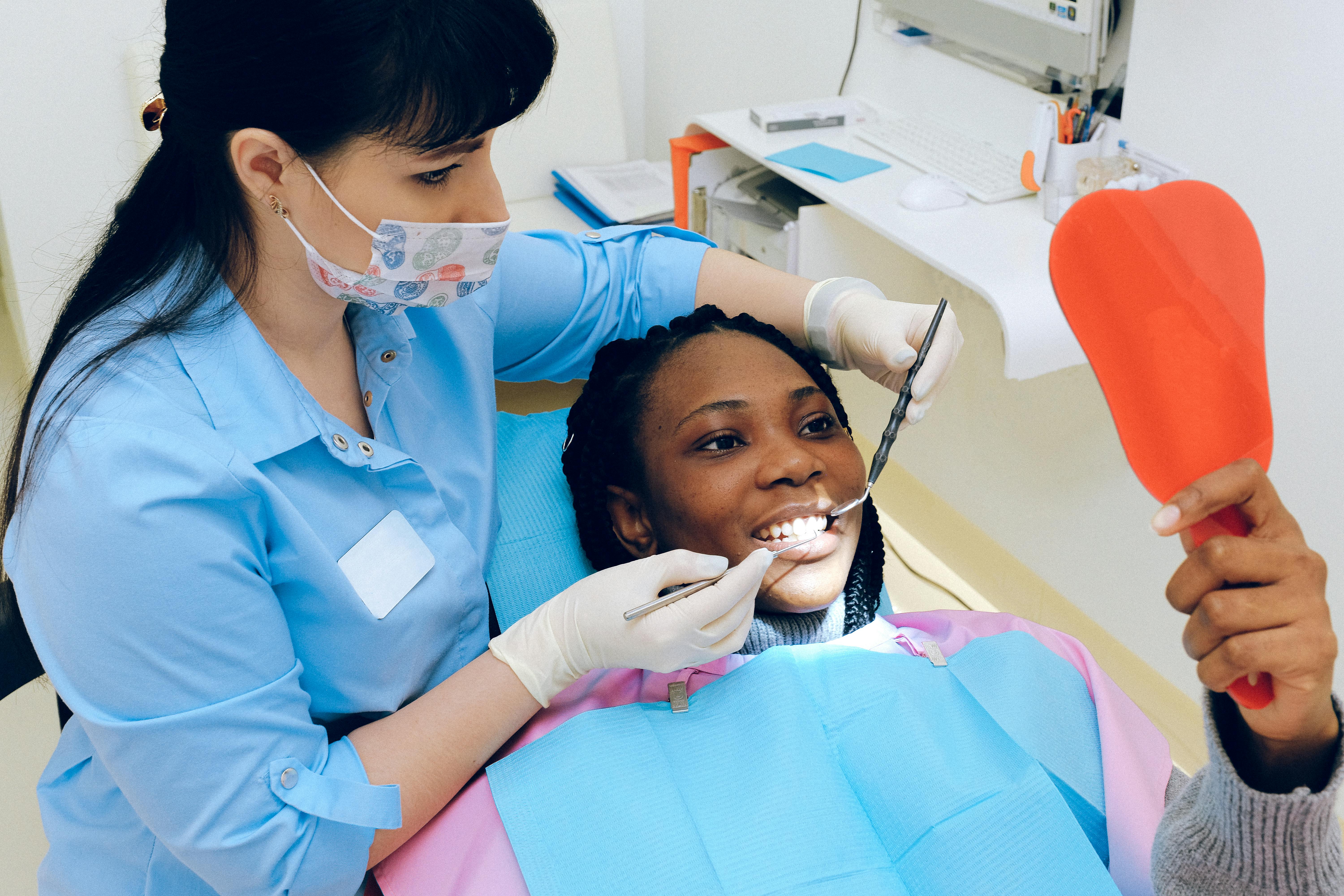
Gum contouring, also known as gingival contouring, is a procedure used to reshape gum tissue. Either a dentist or a periodontist (gum specialist) will perform the gum reshaping procedure at their office. Usually, the procedure only takes an hour or two, depending on how many teeth are involved.
First, the dentist will numb the gums with a local anesthetic (numbing medication) to make sure there is no pain during the procedure. Then, they will sculpt the gums using either a scalpel or a laser tool, either removing tissue along the gumline or from the top of the mouth to suture to the gumline. In some cases, dentists need to move tiny pieces of bone to ensure that gums don’t grow back in the areas they have been removed.
Usually, recovery takes between a few days to a couple of weeks. After the procedure, the dentist will provide instructions for aftercare. Generally, this involves eating softer foods and being extra careful with brushing and flossing.
When Do Dentists Recommend Gum Contouring?
A gum reshaping procedure is generally either done as a cosmetic treatment or to fix medical issues with gums. There are various specific cosmetic and non-cosmetic reasons that might prompt a dentist to recommend gum contouring.
Cosmetic Gum Contouring
- Gummy Smile Treatment – Some people feel that too much of their gums show when they smile, and seek cosmetic procedures to improve their confidence. The gum contouring procedure helps to reveal more of the tooth surface and is sometimes done when a patient gets veneers or as part of orthodontic treatment. In one study, patients who had undergone gummy smile treatment were surveyed after the procedure. The survey showed that 82.1% were satisfied with the results, and 100% of patients would recommend the treatment. According to the study,the procedure made a positive impact on the patients’ self-esteem and aesthetic perception.
- Treatment for Uneven Gums – An uneven gumline can also impact self esteem. When someone has an uneven gumline, the gums go down farther on some teeth than others, giving an asymmetric look. Dentists may recommend gum contouring to fix this problem if a patient brings it up during an appointment.
Non-Cosmetic Gum Contouring
- Periodontal Disease Treatment – Periodontal disease, or gum disease, is a progressive gum infection that starts out as mild gingivitis and eventually leads to serious oral health issues. If left untreated, it can cause tooth loss and bone damage. Dentists might suggest gum contouring as a treatment for more advanced gum disease that has caused pockets where bacteria collects in the gums. Gum contouring can help get rid of these pockets, make it easier to clean the teeth and gums, and clear out bacteria. This is also referred to as pocket reduction.
- Gingival Hyperplasia Treatment – Sometimes serious gum inflammation from gum disease or certain conditions, like pregnancy, diabetes, Crohn’s disease, or hereditary gingival fibromatosis, causes gums to grow in a way that makes brushing and flossing difficult. Gum contouring may be required to reshape the gums in cases where they don’t go back to normal on their own.
- Crown Lengthening – Sometimes it is necessary to remove some gum tissue around a tooth when getting a dental crown to ensure that the crown has enough healthy tooth area to attach to.
- Gum Recession Treatment – Gum recession can happen for a variety of reasons, such as brushing too hard, having gum disease, smoking, or simply because of genetics. If the gums recede too much, the tooth root may be exposed and cause discomfort. At this point, a dentist might recommend gum contouring to remove tissue from the top of the mouth and attach it to areas where the gums have receded too much.
Does Gum Contouring Hurt?
Since the dentist numbs the gums, patients usually don’t feel pain during the procedure. If you do feel pain, you can tell the dentist, and they can give you more of the numbing medication. After the procedure, however, the numbing medication will wear off and the gums will likely feel sore for a few days. During this time, over-the-counter pain medications can usually be taken to ease discomfort.
Does Dental Insurance Cover Gum Reshaping Procedures?
Most dental insurance plans won’t cover cosmetic gum contouring. However, if the procedure is done to correct or prevent a medical problem confirmed by a dentist, it may be fully or partially covered by insurance. It’s best to call the insurance company before the procedure to find out how much of the procedure will be covered.
If a patient doesn’t have insurance or the insurance does not cover the procedure, some dental offices will offer payment plans or discounts. Make sure to discuss payment options before the procedure.
Find Out if Gum Contouring is Right for You
If you’re looking for a gummy smile treatment or you want to fix your uneven gumline, consider seeking out a dentist that specializes in cosmetic dentistry. A regular dentist can tell you if gum contouring is the next best step for medical issues like gum disease or gingival hyperplasia. Whatever the case, you can find the right dentist for you and book an appointment with our dentist finding tool.