

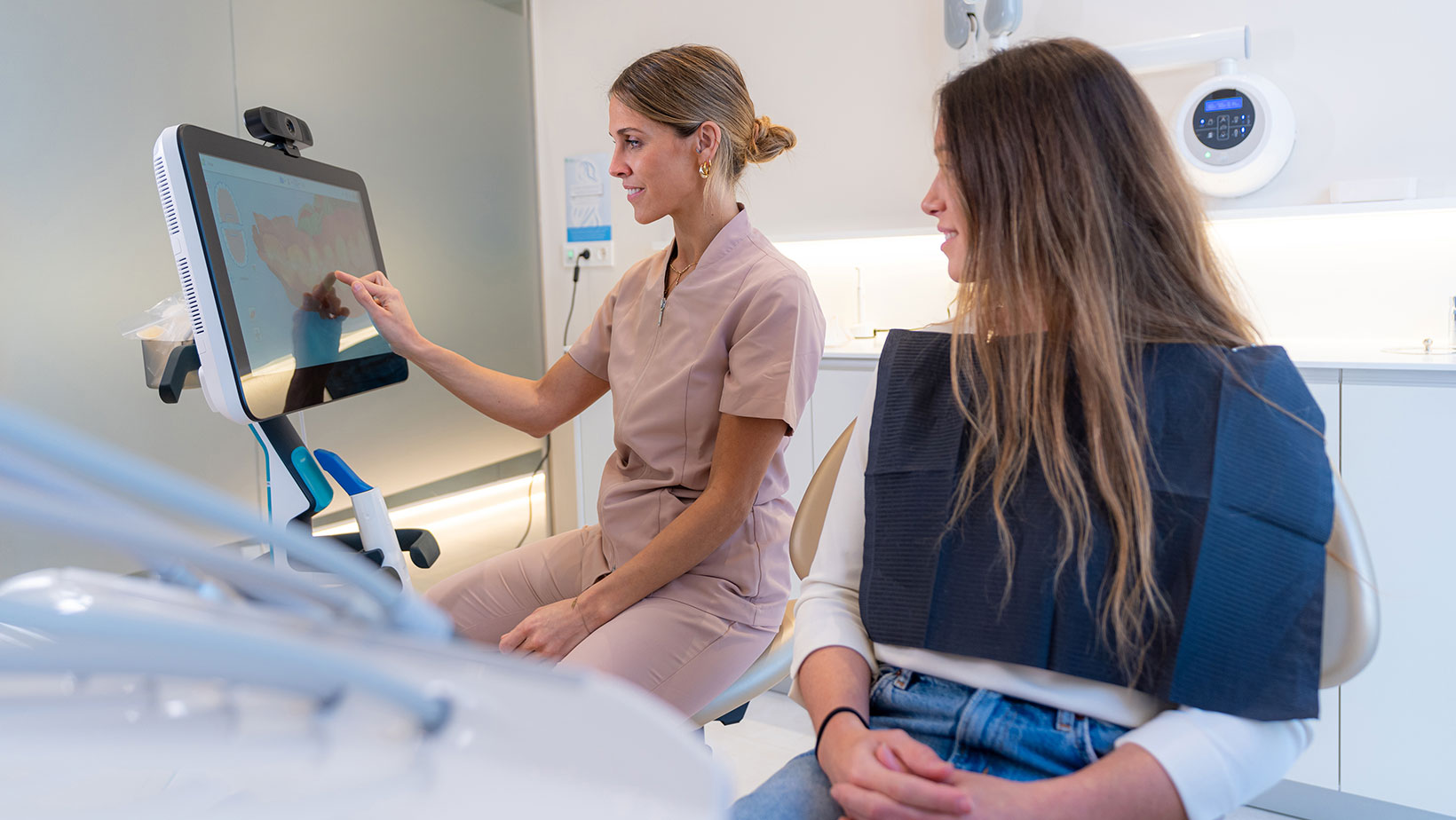
When a patient has a toothache, bleeding gums, or another dental problem, they often expect to walk into a general dentist’s office and leave with relief.
It’s not uncommon, however, for dentists to refer patients to a specialist such as an endodontist, orthodontist, periodontist, or oral surgeon for treatment. This can lead to some uneasiness, as patients wonder if the situation is more serious than they thought.
The truth is, a dental specialist referral is just a dentist’s way of saying the patient could benefit from specialized skills, expertise, and equipment. Specialists spend an additional 2 to 3 years of extra training beyond the 4 years of standard dental school that all dentists have, to learn more about a particular area. So if you’re wondering, “Why did my dentist refer me instead of finishing the treatment himself?” it’s because they want you to get the very best care for your dental health.
Common Reasons for a Dentist Referral to a Specialist

A general dentist serves as a primary dental care provider, much like a primary doctor. They help maintain your oral health with regular cleanings and exams, prevent and treat cavities, diagnose dental conditions, and screen for oral cancers. They can also treat early-stage gum disease, perform some simple root canals, and in some cases repair and replace broken or missing teeth. But when a patient has an issue that calls for specialized treatment, a general dentist will likely coordinate with a specialist who knows how to best provide that treatment. For example, a family dentist may do an occasional root canal, while a specialist does the procedure all day, every day.
Specific referrals a dentist might make include:
Endodontist Referral. Endodontists specialize in conditions affecting the dental pulp as well as tissues around the tooth’s roots. A dentist might recommend them for unusual tooth anatomy, persistent pain after a previous filling, or complicated root canals. In fact, according to the American Association of Endodontists’ 2026 General Dentist Referral Patterns Survey Report, 53% of today’s root canal cases are referred to endodontists.
Orthodontist Referral. An orthodontist treats crooked teeth, crowding, and jaw-related alignment issues. A dentist might recommend patients see an orthodontist if overlapping teeth are making it difficult to brush and floss thoroughly, or if the patient is self-conscious about their smile.
Pediatric Dentist Referral. Pediatric dentists receive additional training focused specifically on infants, children, and adolescents. They understand developing teeth so they can monitor how baby teeth and permanent teeth are developing and can identify potential problems early. Their offices and techniques are also designed to make dental visits more comfortable and less intimidating for kids. It’s also common for kids with dental anxiety or special needs to be referred to a pediatric dentist.
Periodontist Referral. A periodontist treats advanced gum disease, bone loss, gum recession, and certain implant-related issues. They can determine why your gums are pulling away from your teeth and whether treatment, such as a gum graft, is appropriate. They can also ensure jawbones are strong enough to support implants.
Oral Surgeon Referral. A general dentist can pull teeth. But an oral and maxillofacial surgeon handles complex extractions such as impacted teeth. An oral surgeon can also perform jaw surgery to correct a misaligned bite that braces couldn’t fix, or provide surgical treatment for severe tooth infections. Sometimes dentists refer patients to oral surgeons simply because the procedure is safer with specialized surgical expertise and equipment.
Some dental work, particularly complex treatments, needs to happen in stages. For example, a patient with missing teeth needs to have bone loss or gum disease addressed before having implants placed. Or if wisdom teeth are blocking the movement of surrounding teeth, a teen may need to have them pulled before getting braces. A dentist may coordinate these treatments by referring patients to doctors with extra training in those areas.
The Benefit of Choosing a Dentist with a Close Dental Specialist Referral Network
Choosing a dentist with a network of trusted specialists can make it easier to get the right care when your needs go beyond routine cleanings and fillings. A strong relationship between your dentist and colleagues who specialize in certain areas can help make the referral process smoother and more coordinated.
A strong referral network can result in:
- Better communication. When dental professionals know and regularly work with one another, they can communicate more easily about your diagnosis, treatment, and recommendations.
- More coordinated care. Your general dentist and specialist can work together to create a treatment plan that considers your overall oral health.
- Less stress for patients. Instead of searching for a specialist on your own, your dentist can recommend someone they trust.
- Continuity of care. Your dentist can remain involved before, during, and after specialist treatment to help maintain your long-term oral health.
- Faster referrals. An established professional network makes it easier to get connected with a specialist when prompt treatment is important.
Bottom line: A dentist with a strong specialist referral network isn’t just providing routine dental care—they’re helping you navigate your entire dental care journey when you need additional expertise.
If you don’t have a general dentist you trust, or you’d like to find a specialist in your area, use our online scheduling tool now.