

Many people are aware that medical doctors are careful about how frequently they take x-rays, such as CT scans, and only take them when something seems to be wrong. Yet, dentists seem to call for new x-rays far more frequently, even when there is no pain or other indication of a problem. Why is that?
The truth is that dental x-rays generally expose patients to less radiation than many other types of x-rays, and dentists frequently use them for early detection or screening purposes—something that is a little less common with x-rays in the medical world. Understanding the purpose and safety of dental x-rays can help put patients’ minds at ease about getting them.
Why Do Dentists Take X-Rays?
There are many pockets and crevices in the mouth and between the teeth and gums that are difficult to see, even for the most experienced dentists. Since a dentist can’t see what’s going on in these areas directly, they use x-rays to take a closer look. This helps them identify areas of decay, abscesses, and other problems before they become serious, and before they cause pain.
Types of Dental X-Rays and What They’re Used For
Dentists use a few different types of x-rays. Some are used routinely for finding problems before symptoms occur, and some x-rays are used more for planning procedures or finding sources of pain (diagnostic purposes).
The most common dental x-rays are:
Bitewing X-Rays
These are the most frequently used dental x-rays. They also use the least amount of radiation. Dentists typically take these x-rays during regular checkups or for new patients. The procedure involves the patient biting down on a tab containing a film or sensor while the dental assistant or dentist takes the x-ray.
What they’re used for: Looking for cavities between the teeth, under fillings or crowns, or below the gumline, checking for bone loss, and checking the fit of crowns and other restorations
Periapical X-Rays
These x-rays are used to view the entire structure of a specific tooth, from the crown to the tip of the root and the supporting bone.
What they’re used for: Planning procedures on specific teeth, like getting a crown orimplant, or detecting gum disease, bone loss, and cavities
near tooth roots
Occlusal x-rays
These x-rays take images of the roof of the mouth and under the tongue. They show the skeletal anatomy of the area, including the full set of teeth and the jaw.
What they’re used for: Finding impacted teeth, jaw issues, finding tumors, checking on the development of the teeth and jaws in children
Panoramic X-Rays
Panoramic x-rays are images of the entire mouth, including teeth, jaws, nerves, sinuses, and bone. Unlike other dental x-rays, these images are taken from outside the mouth instead of inside. During the procedure, the patient stays still while an x-ray machine moves around their head. These are typically taken during new patient visits (even when no pain is present).
What they’re used for: Planning for dentures, braces, or Invisalign, checking on wisdom teeth, finding cysts, tumors, oral cancer, and bone abnormalities
How Do Dentists Determine Dental X-Ray Frequency?
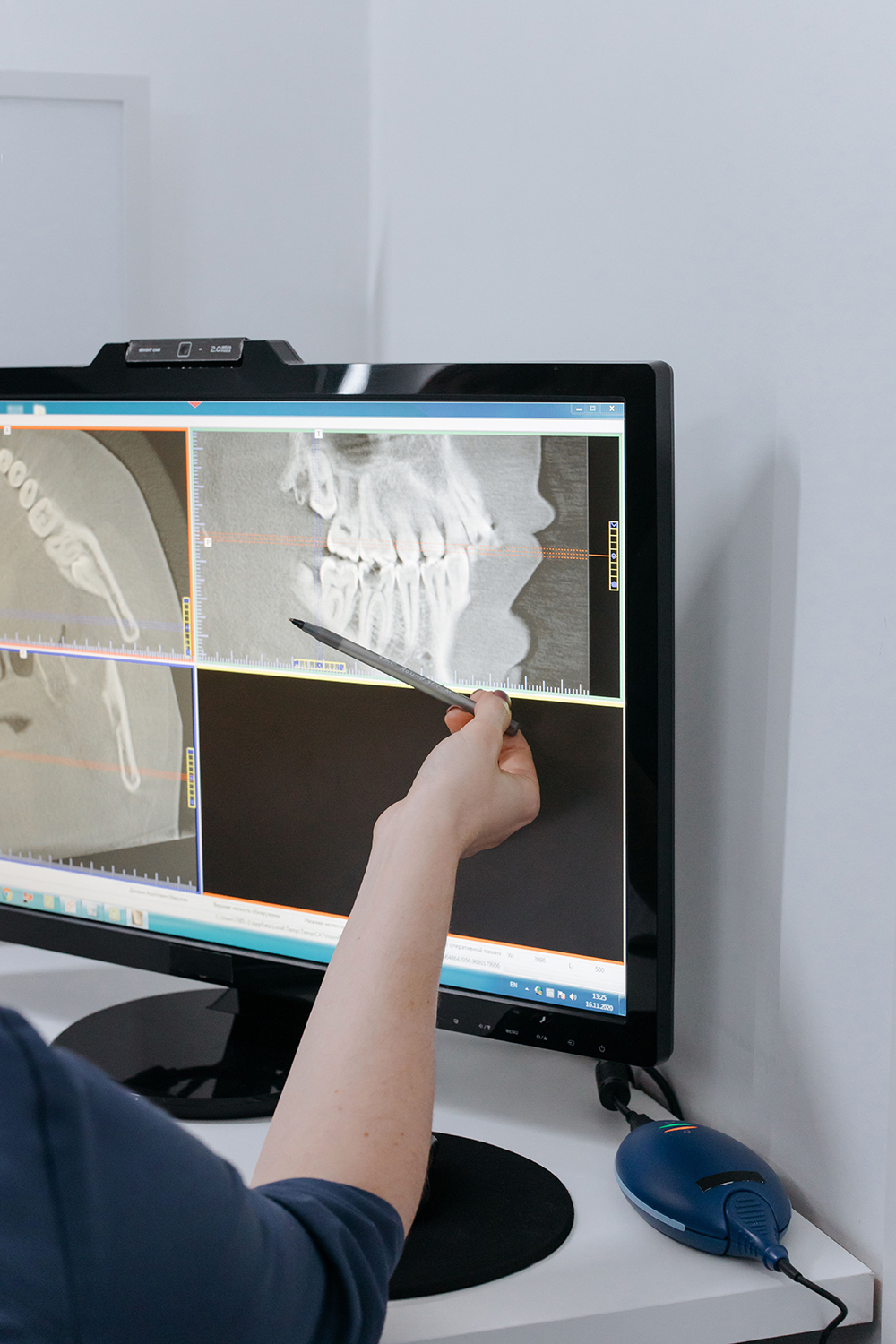
Dental x-ray frequency is determined by a number of factors, including dental history, age, symptoms, and how long it’s been since a patient’s last set of x-rays. Dentists generally require a new comprehensive set of x-rays from new patients to get a baseline idea of the patient’s dental health.
Generally, dentists have patients take new bitewing x-rays every 6-24 months to check for new cavities or gum disease, depending on their risk level. Most of the time, this means patients will be getting new dental x-rays when nothing hurts. But, this ensures that cavities and decay can be treated with simpler procedures. If they see a potential problem, they might require additional x-rays, like a periapical x-ray to zoom in on a specific tooth.
While dental x-rays are generally very safe, dentists still try to limit a patient’s radiation exposure as much as possible. Just like a regular doctor, they will weigh the risks and benefits, ensuring that the patient receives as little radiation as possible while still maintaining good oral health.
Talk to a Dentist to Find Out If You Need Dental X-Rays
Getting regular dental x-rays is an important part of preventing serious dental problems. The best time to do it is usually before the pain starts. If you haven’t had a dental checkup for awhile, you probably haven’t had dental x-rays to check for hidden cavities, bone loss, or other hard-to-see problems. Make an appointment with a dentist to see if dental x-rays are necessary for you and stay a step ahead of dental problems.