

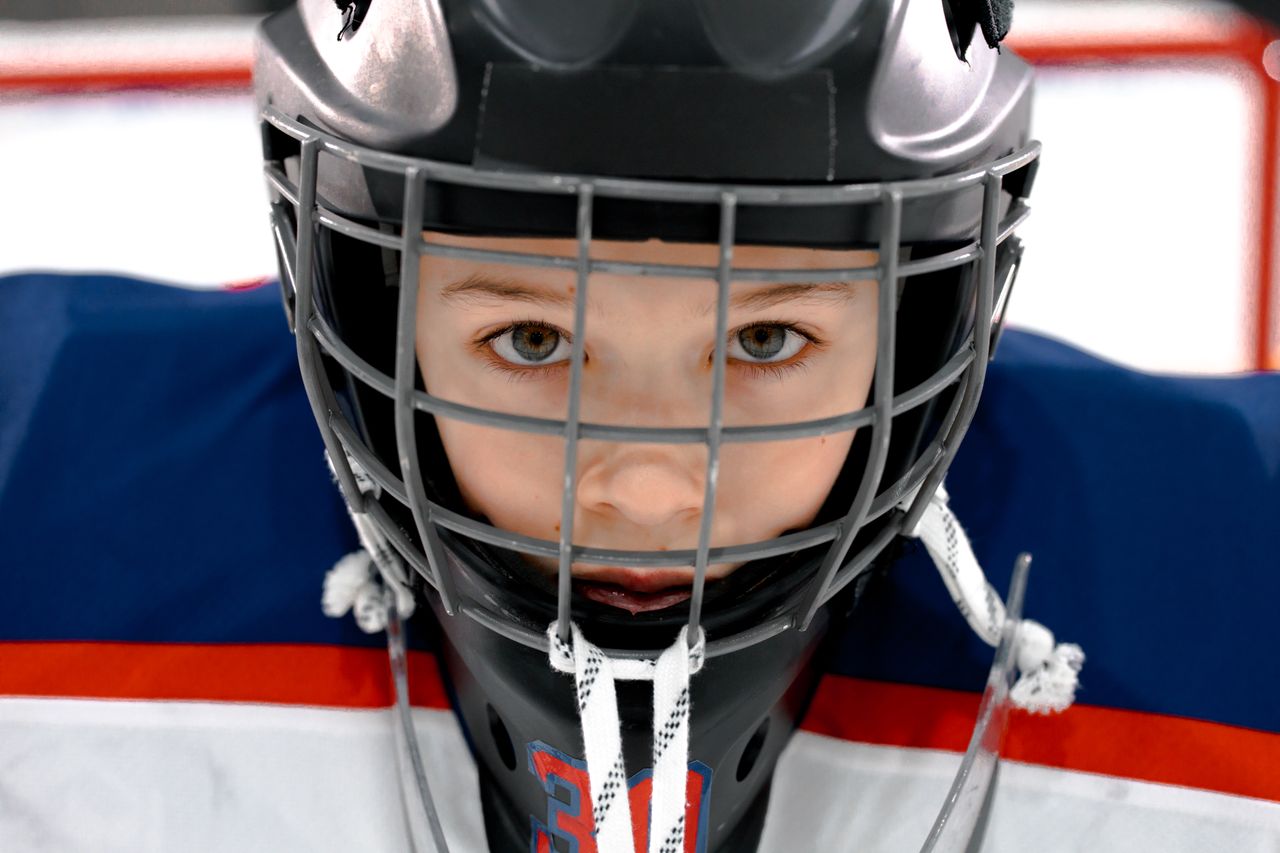
School is back in session, and with it comes sports like soccer, football, basketball, and hockey. All of these offer a great way for kids to stay active, but they also offer plenty of opportunities to be hit in the mouth. In fact, research shows that as many as 52% of children aged 11–13 have experienced oral injuries due to sports.
Dentists often recommend mouthguards to protect teeth during games and practices, and The World Dental Federation endorses the use of mouthguards, with a particular recommendation for mouthguards made by dentists. But are custom sports mouthguards really better than the store-bought version? We will discuss the pros and cons of each, and why wearing either one is better than no protection at all.
Oral Injuries Caused by Contact Sports
Mouthguards are an important safety measure for kids during physical activity. A blow to the mouth can be detrimental to teeth, whether it’s from a hard fall or getting bumped with a ball. Sports-induced dental and orofacial injuries include:
- Pulpal necrosis. This is when the inside of a damaged tooth dies due to lack of blood flow. It can be painful at first, but eventually causes total numbness as the nerves die. The tooth may turn gray or yellow, and the only way to fix it is with a root canal or extraction.
- Avulsion (the tooth gets knocked out). An extremely hard hit can knock a tooth completely out of its socket. Whether it needs to be replaced depends on whether it’s a baby tooth or a permanent tooth.
- Tooth fractures. Cracked, chipped, or broken teeth can happen upon direct impact with another player or equipment. Some fractures only require cosmetic repair, but some are severe enough to need a crown or root canal.
- Soft tissue injuries. When teeth dig into the lips, tongue, or gums, they can cause significant bleeding and require stitches. These injuries can be even more severe if an athlete is wearing braces.
- Broken jaw. A forceful blow to the lower face can result in a jaw fracture, sometimes requiring surgery.
A sports mouthguard for kids absorbs the shock from hard hits and falls, lowering the chance of chipped, cracked, or knocked-out teeth.
The Differences Between a Dentist-Made Mouthguard and a Boil-and-Bite Mouthguard
Custom-sports mouthguards and store-bought mouthguards differ in several ways:
Fit. There are two types of over-the-counter mouthguards. One is a standard gel-fit that molds to the teeth after the athlete bites down on it. The other is plastic and uses a boil-and-bite process for a closer fit. The boil-and-bite mouthguard is placed into boiling water to make it soft and pliable. Once it cools off enough to comfortably put it in the mouth, the athlete bites down on it while pressing the softened material around their teeth, creating an impression. Any mistakes in the process can lead to an imperfect fit.
To make a custom mouthguard, the dentist has the patient bite down on putty or uses a 3D scanner to form a model of the teeth. The model is sent to a dental laboratory, where specialized equipment creates a mouthguard tailored to the patient’s teeth and bite. Then, the mouthguard is sent back to the dental office, where the dentist checks that the guard fits snugly against the teeth and doesn’t interfere with breathing or speaking. It can be adjusted if needed.
Comfort. Because store-bought mouthguards are one-size-fits-all. Users might need to make adjustments like trimming off excess plastic. This can lead to jagged edges that irritate the gums and cheeks. Breathing can also be difficult with over-the-counter versions since the athlete needs to clench the jaw to hold it in place.
Custom-fit mouthguards, however, are made using accurate impressions to create the mold, so they’re completely smooth and don’t cause any discomfort. They also stay securely against the teeth, so the athlete can breathe more easily.
Durability. OTC mouthguards are typically made from a thin plastic, so they need to be replaced every three to six months depending on how often they are worn.
Custom sports mouthguards are thicker, lasting three to five years in teens who are finished growing. However, the mouths of young children and adolescents continue to change rapidly, so they may need to be fitted for a new mouthguard more frequently. A pediatric dentist can examine the fit at routine dental checkups to determine if a new one is needed.
What is the Best Type of Mouthguard for Braces?
According to the American Association of Orthodontics, a standard store-bought or boil-and-bite guard may not be the best choice for athletes with braces. Teeth are continually moving during orthodontic treatment, and a mouthguard specifically designed for braces provides more room for brackets and can accommodate tooth movement.
Do Mouthguards Prevent Concussions?
There is some evidence that mouthguards may safeguard against brain trauma, particularly in sports like football, hockey, and rugby. They absorb and distribute the forces of impact across the jaw and skull, reducing the amount of force that potentially reaches the brain. In addition, mouthguards help stabilize the lower jaw during collisions, preventing the jaw from being driven into the base of the skull, which can contribute to concussions.
However, not all mouthguards have been found to offer the same level of protection. A study involving over 1,000 athletes in contact sports showed a 45% reduction in concussion rates among those using custom-fitted mouthguards, compared to athletes not using any mouthguards or using store-bought mouthguards. Researchers concluded that custom-fitted mouthguards are specifically designed to match the athlete’s dental structure; therefore, they offer optimal shock absorption.
Does a Custom-Made Mouthguard Cost More?
A sports mouthguard available in stores or online typically costs between $10 and $50. They can be a good budget-friendly option even though the fit may be less precise.
A custom sports mouthguard is designed by a professional dentist using more durable material, so it can cost from $100–$500. Insurance sometimes covers part of this cost, but it depends on the dental insurance provider and plan.
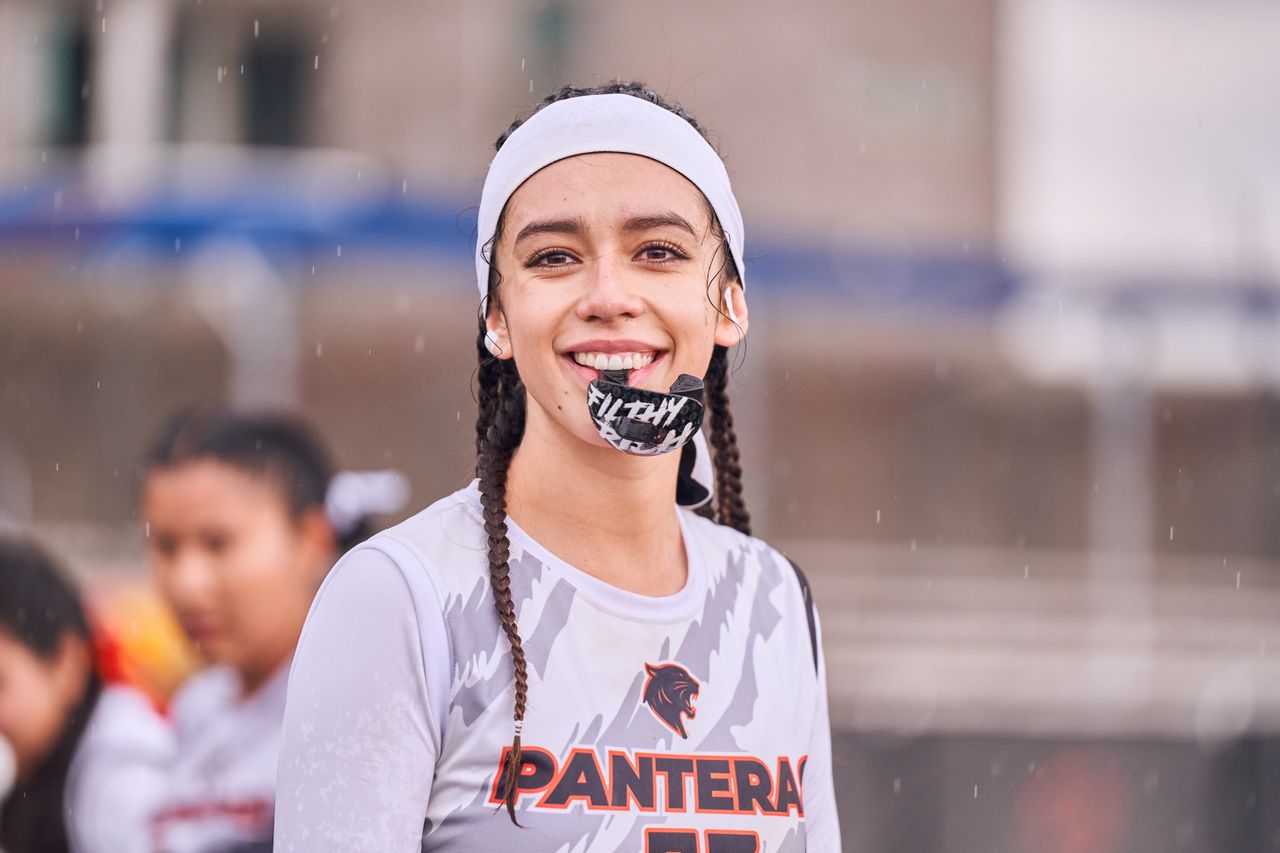
When it Comes to Choosing a Sports Mouthguard for Kids, Any Protection is Better Than No Protection
Most dentists and orthodontists will agree that a custom sports mouthguard offers the best protection for young athletes and is worth the cost. However, if a dentist-made mouthguard is not within your budget or your child can’t get into the dentist before their season starts, an over-the-counter or online product will offer some protection. The ultimate goal is to:
- Cushion blows to the mouth and teeth, reducing the risk of chipped, broken, or knocked-out teeth.
- Protect the lips, cheeks, and tongue from being cut by teeth or orthodontic brackets.
- Help distribute the force of an impact across the mouthguard rather than concentrating it directly on one tooth.
To find a family dentist near you who can offer expert advice on protecting your child’s teeth while playing sports, fill out our appointment form.