


Many dental offices now advertise same-day crowns as a faster, more convenient option than the traditional version. But a crown needs to be strong enough to restore a tooth after it’s been severely damaged and durable enough to hold up over years of use. So, many patients wonder if making a crown in just one day compromises its strength, fit, appearance, and longevity.
It can be helpful to know how same-day crowns (also known as CEREC or Chairside Economical Restoration of Esthetic Ceramics) are made, and why, for some patients, they can be just as good as the traditional version.
How It’s Made: Same Day Crown vs Traditional Crown
The initial appointment for patients needing a crown is typically the same whether they’ll be getting it the same day or at another appointment. After performing a root canal or another dental procedure that might require a crown, the dentist begins working to customize a tooth-like piece that will fit over the damaged tooth.
A traditional crown is made in two visits:
- First, the dentist uses putty to mold or make an impression of the natural tooth. The impression is then sent to a lab where technicians craft an exact replica of the tooth out of either gold, porcelain, porcelain fused to metal, or composite resin. A temporary crown is placed over the damaged tooth to protect it until the permanent one is ready.
- About two weeks later, the patient returns to the office to have the crown permanently placed with dental cement.
A same-day crown is made and applied in one day:
- Instead of using putty to make a mold of the tooth, the dentist uses a small camera to take a 3-D digital scan of the tooth and nearby teeth.
- The dentist then designs the crown on a computer and sends it to a milling machine in the office, which carves the crown from a solid ceramic or porcelain block.
- While the crown is being made, the patient relaxes in the waiting room for about 60-90 minutes.
- As soon as the crown is finished, it’s polished and bonded to the original tooth.
The one-visit crown offers the convenience of not having to return to the office, and allows the patient to leave with a toothlike structure that functions the same as a natural tooth. Many patients appreciate avoiding the need for a temporary crown, which can sometimes be uncomfortable and requires eliminating sticky or crunchy foods for two or three weeks.
Does a CEREC Crown Function as Well as a Traditional Crown?
When it comes to strength and durability, a one-visit dental crown can be very similar to a traditional one. But because a chairside-milled crown is typically fabricated from ceramic or porcelain, there are some situations when a lab-made version may be better for the patient.
Tooth Location
Back teeth take on more force from chewing, so many dentists recommend gold crowns for molars since they have been clinically shown to handle chewing forces better than ceramic or porcelain. Gold crowns typically hold up for more than 20 years on molars, while ceramic and porcelain tend to chip and crack within about 10 years. If a crown needs to be placed on molars that are more visible, a dentist might recommend zirconia or porcelain fused to zirconia. While not quite as durable as gold, it looks more natural and is less likely to chip than the materials available on same-day crowns.
Grinding or Clenching
For patients who grind and clench their teeth, a chairside-milled crown is likely not durable enough. Studies show that zirconia-based crowns exhibit high longevity in patients with bruxism, while crowns made of ceramic or porcelain tend to fracture with grinding.
Severity of Damage and Type of Reconstruction
Some dental restoration procedures are complicated if gum disease, bone loss, or severe tooth damage are present. In these situations, it may be necessary for the patient to have a bone graft procedure followed by an implant, with a permanent crown placed several months later. A dentist will need to evaluate whether a CEREC crown will be durable enough for the restoration or if a lab-made crown will hold up better.
Cosmetic Considerations
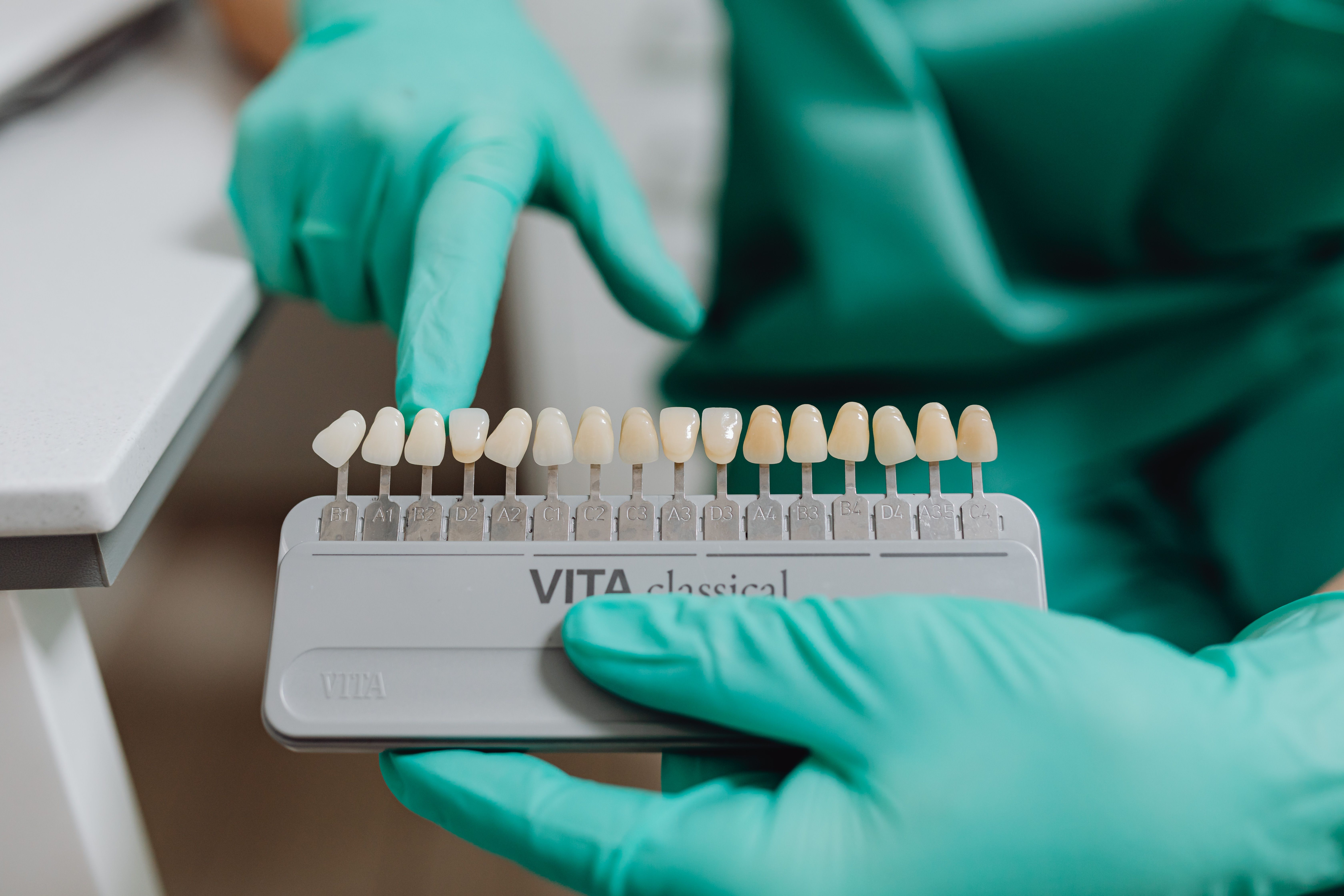
Same-day crowns are made from a single block of ceramic or porcelain, so aesthetic customization is limited. This can make it difficult when trying to match front teeth to the shade of surrounding teeth. When sent to a dental lab, a skilled technician has the tools and knowledge to fabricate a natural-looking crown that can match other visible teeth.
Cost Comparison
Insurance coverage is often similar for both types of crowns, but patients should ask how their specific plan applies and whether there are out-of-pocket differences. In some cases, same-day crowns can be more expensive than traditional crowns due to the advanced technology involved in their production, so it’s best to discuss all payment options with the dental team.
| Convenience | Durability | Aesthetics | Price | |
| Traditional | Requires two separate visits weeks apart | Strong enough for chewing tough and crunchy foods | Can be made to match natural teeth | Most insurance plans cover |
| Same-Day | Made and applied within 2-3 hours | May not withstand teeth grinding, or chewing with molars | Can’t be customized for color matching | Can cost slightly higher depending on insurance coverage |
Questions to Ask Your Dentist About Same-Day Crowns
It’s best to discuss the details of your dental health, habits, and aesthetic needs with an experienced dentist before choosing a same-day crown vs. traditional crown. Some questions you might ask include:
- How natural will a same-day crown look? Will it match my other teeth?
- When will I need to have a same-day crown replaced? How will I know when it’s time?
- If I wear a night guard, will a same-day crown hold up to my teeth grinding habit?
- Is there a cost difference between a same-day crown and a traditional one, and will my insurance cover it?
One-visit crowns are a great option in many cases, but not always. To discuss the pros and cons of same-day vs traditional crowns, make an appointment with a dentist near you for advice regarding your specific situation.