
Despite evidence that vaping, or e-cigarette use, leads to irreversible lung damage, it is still a pretty popular habit. This is likely due to the promise of fewer health risks compared to cigarettes, or the enticing flavors they come in. But recent research shows that vaping can lead to an array of other issues even beyond lung damage.
Since e-cigarette vapors are inhaled and passed through the mouth, some of their harmful effects can impact teeth and gum health. Luckily though, there are some things you can do to protect yourself (and your teeth) when vaping.
What’s in E-Cigarette Vapor?
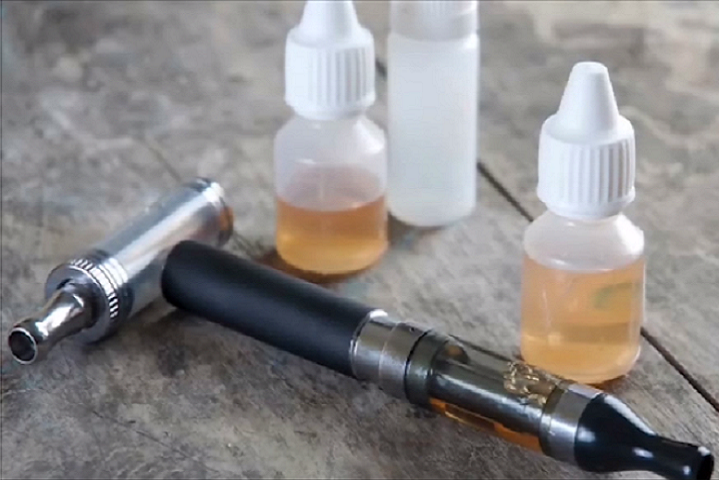
E-cigarettes work by heating a liquid, often called vape juice, until it turns to an aerosol or vapor. Vape juice does not contain tar like traditional cigarettes, but most varieties do contain nicotine. It also contains a mixture of other ingredients, some of which can be harmful to the body:
- Water
- Propylene glycol and glycerin – Solvents that create the vapor cloud, commonly used in food. These may cause respiratory irritation when inhaled.
- Flavorings – Ingredients commonly found in foods.
- Heavy metals – Metals like nickel, tin, and lead, which can build up in the body.
- Volatile Organic Compounds (VOCs) and Toxic Chemicals – Chemical compounds like acetaldehyde, acrolein (an herbicide), and formaldehyde are generated when the liquid is heated.
Many of the ingredients in e-cigarettes are known cancer causing chemicals or chemicals that are known to cause problems when inhaled.
Potential Oral Health Risks Associated with Vaping
A lot of research has been done in recent years studying the effects of vaping. Some of this recent research has shown that there are risks to oral health. Recognizing these issues when they start can help you stop them from getting worse. So, if you’re an e-cigarette user, keep an eye out for the following issues to make sure you prevent further damage or disease.
Tooth Staining
Although tooth stains from e-cigarettes are not as bad as the staining that happens with regular cigarettes, they do still happen. The nicotine in e-cigarettes reacts with oxygen in the air and turns a yellow color. When this hits your teeth, it can cause staining. Other chemicals in e-cigarettes may also cause stains, but these chemicals vary in the different types and flavors. Substances like propylene glycol can cause a sticky build-up on teeth that allow plaque to form more easily.
Dry Mouth
The feeling of dry mouth is a common side effect of vaping that occurs because chemicals in e-cigarette vapor reduce saliva production in the mouth. This might not sound like a big problem, but your teeth rely on saliva to help rinse away bacteria, acidic substances, and food particles. When you have less saliva cleaning your mouth, you become more prone to dental problems, like cavities and gum disease. Bad breath is also common with dry mouth.
More Cavities and Decay
Research has shown that people who vape are more likely to develop cavities. As mentioned above, dry mouth can allow bacteria to stay in your mouth longer. When this happens, you are more likely to experience tooth decay and cavities over time. On top of the dry mouth problem, some vape juices contain sweeteners that can promote even more bacterial growth on teeth, making cavities even more likely.
Gum Disease
Using e-cigarettes can introduce bacteria that contribute to the development of gum disease. Vapes with nicotine act as a vasoconstrictor, which means they reduce the blood flow to gums and cause dry mouth, allowing bacteria to flourish and damage gums. This can even alter the mouth’s microbiome to promote harmful bacteria. If you have gum disease, you might experience swelling, pain, or bleeding in the gums, especially after flossing.
Oral Cancer
While researchers aren’t yet certain that vaping liquids directly cause cancer in the mouth, studies have shown that the chemicals in e-cigarettes cause damage to DNA in cells of the mouth. DNA damage can sometimes cause mutations that lead to tumors. There have been some reports of oral cancer in heavy e-cigarette users that don’t have other traditional risk factors. Also, chemicals like formaldehyde are known cancer-causing substances.
Damage from Battery Explosion
This one might be surprising, but the lithium batteries inside e-cigarettes or vapes can actually explode if they get overheated. If this happens when the e-cigarette is in your mouth, it can cause damage to your teeth, gums, and lips. If your teeth are broken in an e-cigarette explosion, you might need to get a crown, root canal, or even a dental implant.
What About Nicotine Pouches, Mints, and Lozenges?
Any products that contain nicotine and are taken orally are going to have a lot of the same risks as e-cigarettes. While nicotine pouches, mints, lozenges, or similar products won’t explode in your mouth, they do put you at higher risk for gum disease, cavities, or potentially oral cancer.
How to Protect Your Dental Health If You Do Vape
If you choose to vape, or you plan on slowly weaning yourself off of vaping, there are several practices to lessen oral health risks. Following these tips can help keep your teeth and mouth as healthy as possible:
- Limit or avoid nicotine vapes and other nicotine products, like nicotine pouches or mints. Choosing vape juice without nicotine can eliminate several of the worries mentioned above. These will be labeled “nicotine-free” or “zero nicotine”, but still contain ingredients that flavor the vapor.
- Drink plenty of water to replace the moisture that vaping takes away. Getting rid of dry mouth will help with several issues, including bad breath.
- Keep up good dental hygiene habits. Routine brushing and flossing are the best defense for oral care issues.
- See a dentist for regular professional cleanings and checkups to stay ahead of cavities and gum disease.
- There are a few things you can do to reduce the risk of battery explosions in e-cigarettes. The FDA suggests protecting your vape from extreme temperatures (like not leaving in a hot car or direct sunlight), not vaping near flammable gasses, using devices with safety features, replacing batteries that are damaged or wet, and following manufacturer recommendations closely.
Your teeth aren’t doomed if you vape, but dental issues can creep up quickly without good oral hygiene—even when you don’t vape. If you’re concerned about your teeth or you haven’t been to a dentist in awhile, the best thing to do is get a dental checkup and cleaning. If you don’t currently have a dentist, use our online tool to find one near you.