
Haven’t been to the dentist in years? It’s actually pretty common. According to a 2022 survey from the American Dental Association, only 45% of the U.S. population had a dental visit in the past 12 months. The proportion was even lower among working adults aged 19-64—only 40% had gone in the last year.
The reasons why people skip the dentist vary. A lot of people experience anxiety or even fear going to the dentist and avoid it. Others are concerned about the cost, especially if they’re not covered by dental insurance. And if dental care isn’t conveniently located or doesn’t have flexible hours, it can be hard to coordinate it with a busy schedule. Moving and not finding a new dental practice right away is another thing that can throw off routine visits.
Whatever the reason for not going to the dentist, when you do decide to go, you’re sure to have questions. Whether you have a dental emergency or have just decided to get back on track with your oral care, it’ll be smoother if you know what to expect at the dentist after a long absence. Here’s a checklist of things to expect when you haven’t seen a dentist in years.
1. Dental Providers Won’t Make You Feel Embarrassed
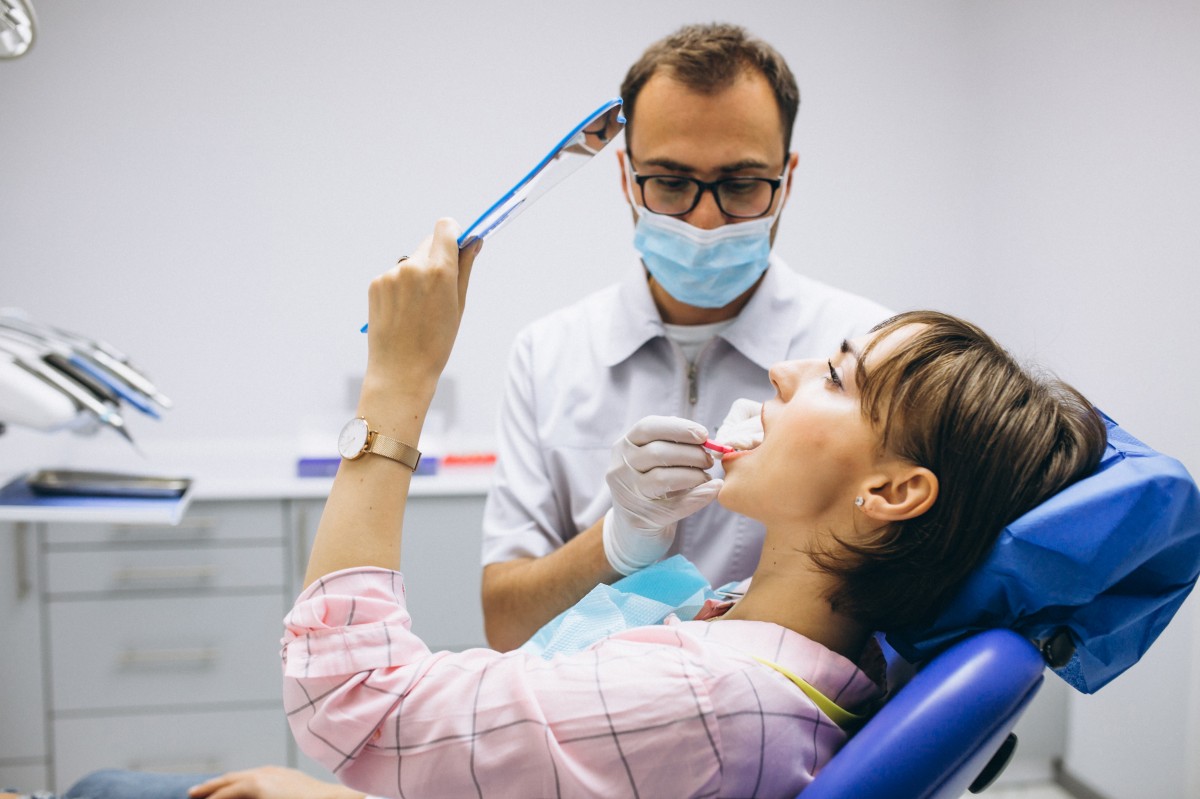
Don’t feel the need to explain or make excuses. It’s the dentist’s job to provide professional oral care and advice—not to judge or shame their patients. Depending on the dentist’s chairside manner, they might give a mild lecture or reminder of why it’s important to get regular dental checkups. However, dentists are accustomed to seeing patients who have skipped several visits and most are probably just glad you decided to finally go.
Remember that they only want what’s best for you and your dental health. Listen to their suggestions for future care, because it really will save you from additional problems later on. The important thing is to make better oral care decisions going forward.
2. You’ll Need to Check With Your Insurance Provider Prior to Your Appointment
If you have dental insurance, but haven’t used it in a long time, it’s best to consult with your provider about what’s covered. Often a regular dental checkup and cleaning is included for free or with a reasonable copay. However, when you haven’t been to the dentist in years, there’s a good chance you’ll need additional dental work, like fillings or periodontal treatment. Check to see what your policy covers so you’ll be prepared for any additional expenses.
Dental insurance networks change periodically too. If you’re going back to a dentist, make sure they’re still part of your plan. If not, or if you’re looking for a new dentist, find out which practices in your area accept your coverage.
If you don’t have insurance, you can call dental offices to ask how much a visit will cost or if they offer discounts. Some dental schools offer cleanings or simple procedures at heavily discounted rates—so, these can be a good option if one is nearby.
3. The Appointment Might Take a While

When you call to make an appointment, tell them how long it’s been since you’ve had a checkup. Knowing this beforehand helps the dentist and hygienists prepare for a visit that might take longer and involve more questions. They may schedule you with their most experienced hygienist if they suspect your teeth cleaning could be more involved.
Be sure to set aside a sufficient block of time for your appointment. Since it may have been years since your last appointment, the dentist will almost certainly need updated paperwork and a full dental history. Even if you’ve seen this dentist before, as far as their records go, you’re essentially starting from scratch.
Once you’re in the dentist’s chair, the exam and cleaning may take longer than you’d expect. The hygienist will want to do a thorough job. The dentist will need time to look over your information. And even if your teeth feel fine, they will take a set of x-rays to get the full picture of your dental health.
4. You’ll Get a Thorough Exam
The dentist will likely ask about your general health since your last visit, as well as any dental issues you’re experiencing. Often medical issues or prescriptions can impact a patient’s teeth, so this is necessary information. In addition to examining your x-rays, he or she will check that your bite is in proper alignment, prod your fillings to check for loosening, and examine the condition of your gums for signs of periodontal disease. Dentists are also trained to check the inside of the cheeks, lips, and under the tongue for indications of mouth cancer.
This dental exam doesn’t take very long but will give the dentist a lot of information about your oral health. If you have questions about what they’re looking for, just ask.
5. X-Rays Will Likely Be Ordered
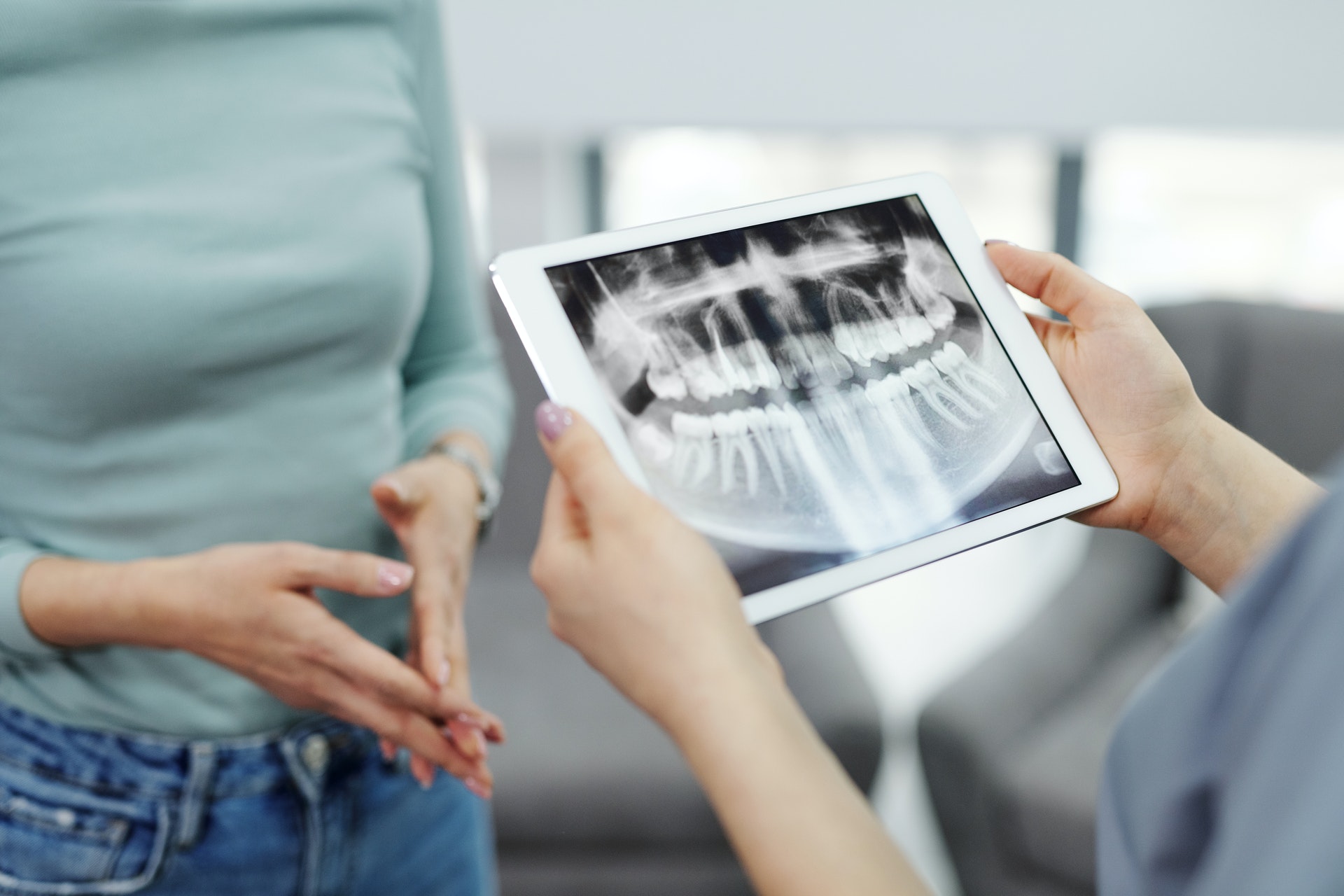
As already mentioned, dentists typically order a full set of x-rays for a patient who hasn’t had a checkup in years. X-rays are the only way to see very small cavities or tiny cracks in the teeth, so they can catch problems long before the patient realizes they’re there.
Finding a cavity before it gets big enough to cause any pain is the best possible scenario. Left untreated, cavities, chips, and cracks can let in bacteria that cause infection. A filling, root canal procedure, or even extraction might be necessary if it’s left to get too big. X-rays may also be necessary for identifying issues with the jaw, like those related to TMJ disorder.
6. There Could Be Some Bleeding or Pain
Dental professionals do everything in their power to make patients comfortable, but there can be a bit of bleeding or pain during a cleaning. This is especially true when it hasn’t been done in years. Touching tender gums with dental instruments can make them bleed too. It’s usually only a little and will stop after a short while.
If teeth aren’t flossed regularly, it’s common for gums to bleed when the hygienist does the cleaning. This might be an early sign of gum disease—so, it’s important to get through the cleaning and floss regularly in the future.
The harder the hygienist has to work to scrape plaque off the teeth, the more likely there will be some pain. It might linger for a few hours after the appointment, but is rarely serious. Both pain and bleeding are less likely when teeth are brushed and flossed often—a good reason to have a regular dental care routine.
7. You Might Need More Than One Appointment
Even if your teeth and gums are feeling normal, there could be underlying problems, like tooth decay or gum disease. Generally, dentists don’t fix newly discovered dental issues during checkup or cleaning appointments. Instead, they will schedule another time to perform whatever procedure is needed. When you come back, they will have sufficient time set aside and all of the necessary equipment ready.
It is relatively common to need periodontal scaling and root planing if you haven’t been to a dentist in a long time. This is a deep cleaning procedure for people that have any degree of gum disease—which one study showed 42% of adults have! Usually, this will require scheduling another visit.
Cavities, root canal problems, or periodontal issues won’t go away on their own. They will, however, get worse, causing more pain, and requiring more money and time. While it might be frustrating to find out there are dental issues that require more visits, it’s always better to get the problem fixed earlier.
8. You’ll Want to Schedule a Followup Before Leaving the Dentist Office
When your appointment is done, be ready for the dentist’s receptionist to ask if you’d like to schedule your next appointment. This might be a followup from this one or the next cleaning in six months. It might seem silly to pick a date and time so far in advance, but if it’s on your calendar, you’ll be more likely to keep it.
Regular dental visits help prevent pain and tooth loss. Good dental health even helps overall physical health. And clean teeth simply look and feel better. Now that you’ve taken the leap to make that appointment when you haven’t been to the dentist in years, we highly recommend that you keep it up.
And if you still don’t have a dentist, check our dentist-finding tool to make an appointment now.