When a patient has a toothache, bleeding gums, or another dental problem, they often expect to walk into a general dentist’s office and leave with relief. It’s not uncommon, however, for dentists to refer patients to a specialist such as an endodontist, orthodontist, periodontist, or oral surgeon for treatment. This can lead to some uneasiness,...
Category: <span>General Dentistry</span>
Is Sedation Dentistry Worth It If You’re Nervous About Treatment?
You know the feeling. A dental appointment reminder pops up on your phone, and your stomach tightens. Maybe it’s the needles. Maybe it’s the sounds and smells. Maybe it’s a bad experience from childhood that never quite faded. So you tell yourself next month would be better, and next month becomes next year. If any...
Are “Biological Dentists” Different? What the Term Actually Means
The idea of “biological dentistry,” sometimes referred to as “holistic dentistry,” has been trending online for a while now. You may have seen ads for biological dentistry or heard friends talk about a new provider who practices it. More and more people today are focusing on holistic wellness, so dentistry that promises safer treatment options...
Why Does My Bite Feel ‘Off’ After Dental Work?
Some patients have a nagging feeling that something feels “off” in the way their teeth fit together after getting dental work, like fillings or crowns. This might be even more noticeable when they try to chew or talk. When this happens, it’s common to feel some anxiety. However, in most cases, there’s an easy fix....
Sudden Sensitivity in One Tooth: What It Can Mean
Tooth sensitivity can show up as a quick zing when eating something cold, a sharp pain when sipping a hot drink, or just general discomfort when chewing. When it comes on suddenly and is only in one tooth, many patients jump to worst-case conclusions, like: I must have a tooth infection. I’m going to need...
5 Questions to Ask Your Dentist Before Saying Yes to a Treatment Plan
You just left the exam room with a treatment plan in hand. Maybe it’s a crown. Maybe it’s a few fillings, a deep cleaning, or something more involved. And now, sitting in your car or back at home, you’re not totally sure what to do next. That feeling is completely normal, and you’re not alone....
Is It Safe to Delay Dental Treatment? What Waiting Means for Cavities, Gum Disease, and Cracked Teeth
When it comes to timing treatment, dental professionals understand that patients may be experiencing financial stress, busy schedules, or dental anxiety. These are all real barriers to care. Sometimes, the dentist may even agree that watching and waiting makes sense. A problem arises when waiting happens without a plan — when “I’ll deal with it...
8 Things to Expect When You Haven’t Been to the Dentist in Years
Haven’t been to the dentist in years? It’s actually pretty common. According to a 2022 survey from the American Dental Association, only 45% of the U.S. population had a dental visit in the past 12 months. The proportion was even lower among working adults aged 19-64—only 40% had gone in the last year. The reasons...
Filling, Crown, or Root Canal? How Dentists Decide Which Treatment You Actually Need
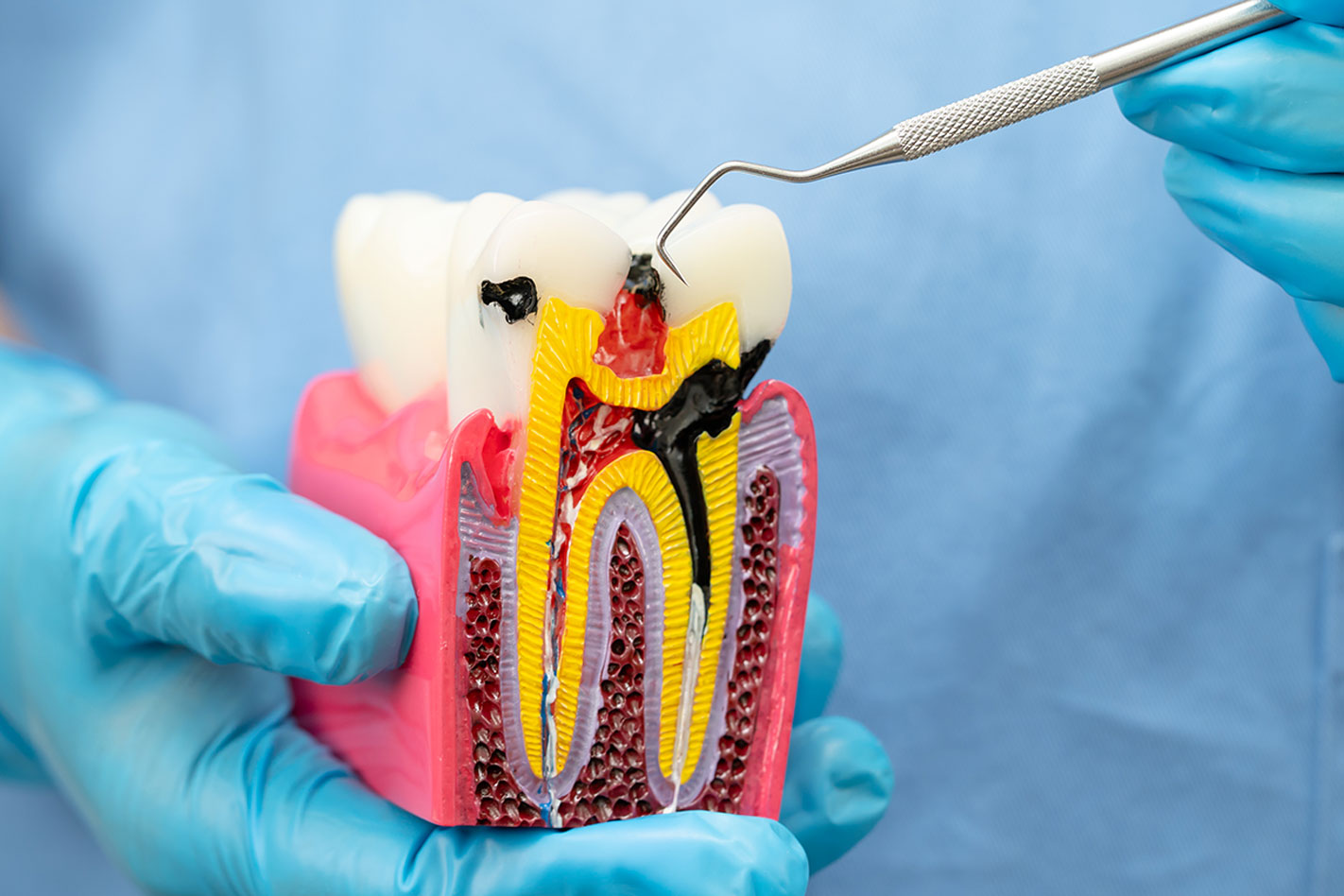
When a cavity is left untreated for too long, a traditional filling is not enough to remove the decay and repair the damage. In order to save the tooth, a dentist might suggest a root canal or a crown. The recommendation will depend on the extent of decay and the tooth’s structural integrity. A good...
Pulp Capping vs. Root Canal: Saving the Nerve When Decay Is Close
When a dentist says a cavity is deep, many patients assume a root canal is the only option. In some cases, though, there is another treatment that may save the tooth’s natural nerve. This procedure is called pulp capping. Understanding how pulp capping differs from a root canal can help patients better understand their treatment...