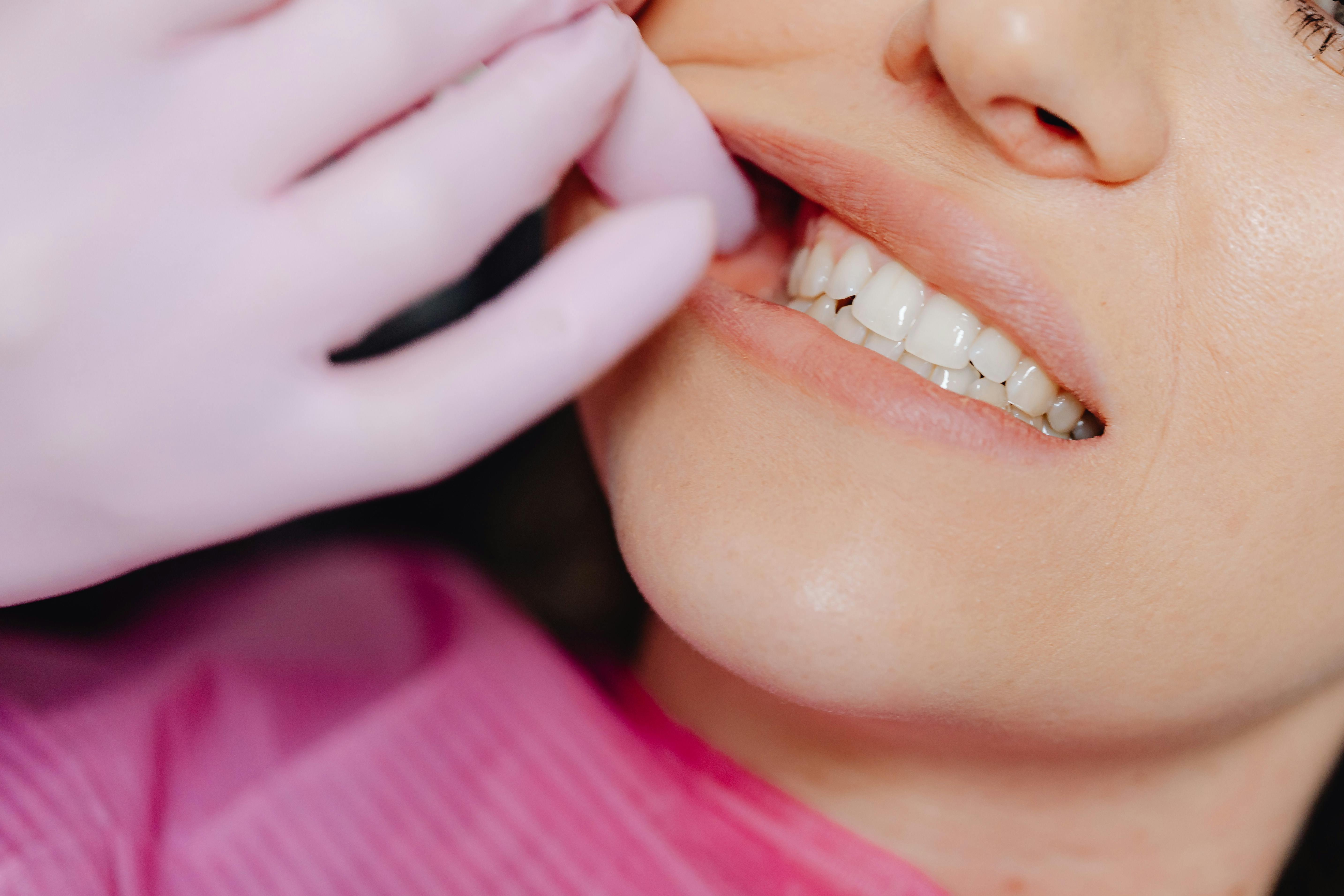
Some patients have a nagging feeling that something feels “off” in the way their teeth fit together after getting dental work, like fillings or crowns. This might be even more noticeable when they try to chew or talk. When this happens, it’s common to feel some anxiety. However, in most cases, there’s an easy fix.
What Makes a Bite Feel Off After Dental Work?
Several dental procedures can create a situation where the affected tooth is no longer the same shape as it was before: A filling, in which a small hole is filled with material like composite resin; a crown placed over a partial tooth; or an implant that replaces an entire tooth. The dentist does their best to shape the filling, crown, or implant to match the original shape of the tooth, but it’s sometimes difficult to replicate the tiny details.
Right after dental work is done, a dentist usually asks if the patient’s bite feels okay to help him fine-tune the end result. At this point, patients are often still experiencing the effects of anesthesia in their mouth, making it difficult to feel the tooth or close the mouth in a natural way. They often don’t realize their bite feels off until they get home and the anesthesia wears off. Sometimes, they don’t even notice until eating a meal.
A patient may realize that the tooth feels too high when biting, that the teeth scrape slightly when speaking or chewing, or that there is increased pressure when they chew. This often results in an “off” feeling.
How to Know When You Have an Uneven Bite
It’s normal to experience some mild sensitivity, muscle tightness, or pain after dental work. Sometimes these temporary effects can make your bite feel off when it really isn’t. It’s usually best to wait until the aftereffects of dental work subside to determine if your bite is off.
But, if you are experiencing extreme pain, feel teeth that are obviously scraping together, or are having difficulty eating or speaking, don’t wait to contact your dentist.
Sometimes an uneven bite is noticed quickly, but other times it can be delayed or gradually worsen. Here’s what to look out for after dental work:
Immediate Signs of an Uneven Bite
- The tooth feels too high when biting down.
- Teeth that normally touch are not touching now.
- There is increased pressure on some teeth.
- Teeth are scraping or hitting in a strange way when chewing or speaking.
- The bite feels different than it did before the dental work.
Delayed Signs of an Uneven Bite
- You feel tension in the muscles in the jaw, face, and neck. This can result in headaches, facial pain, and neck pain.
- There is damage to the teeth. If the teeth are hitting at a certain angle or force, they may erode over time or become cracked, resulting in the need for additional dental work.
- Your balance is off. Some research suggests that uneven bites can cause poor balance due to muscle imbalances.
Will an Uneven Bite Go Away on Its Own?
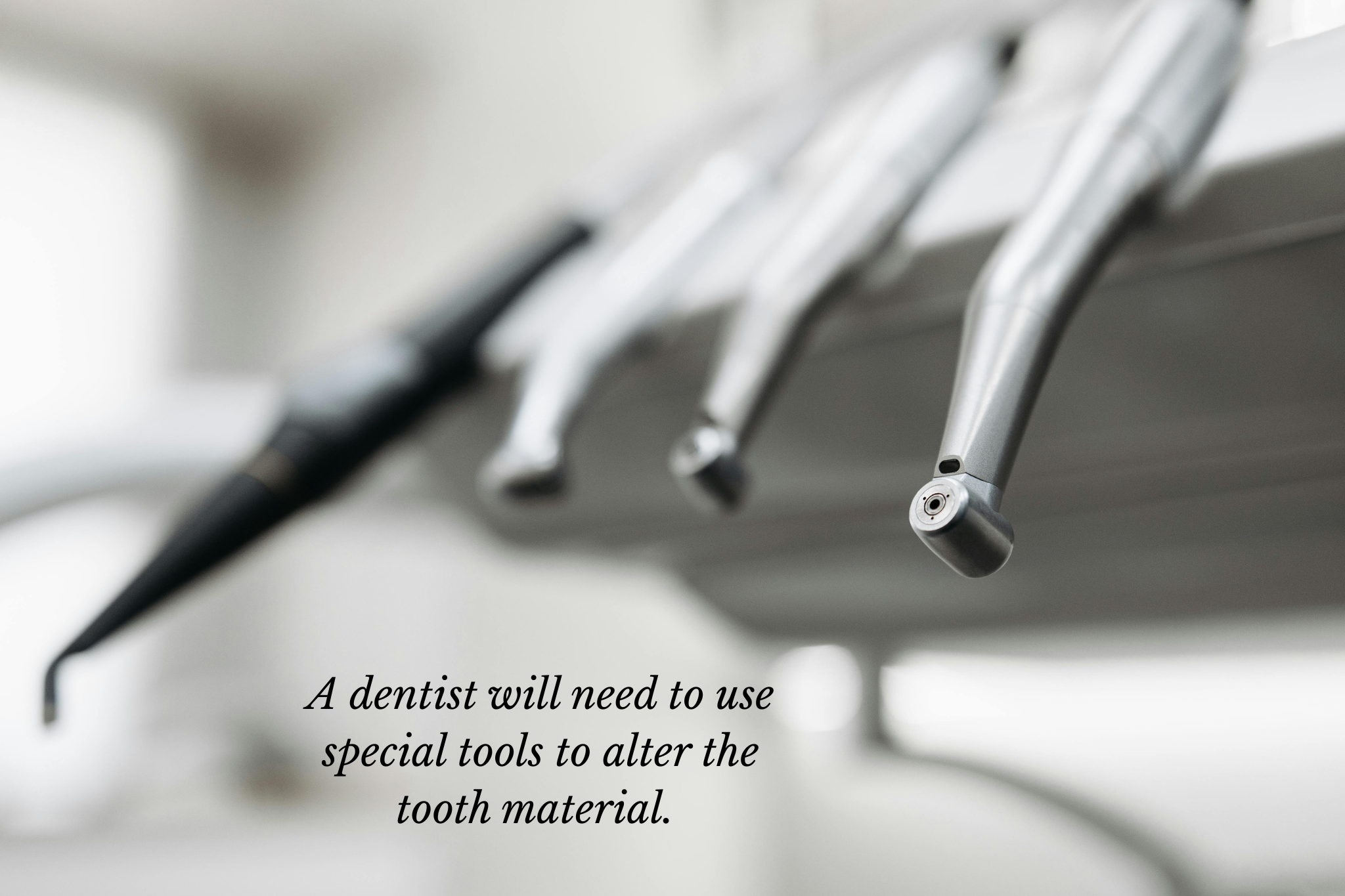
Since an uneven bite is caused by the shape of the filling material, crown, implant, or dentures, your mouth can’t fix or heal the problem on its own. A dentist will need to use special tools to alter the tooth material. If left alone, an uneven bite caused by a high spot on a tooth after dental work will only worsen and cause additional issues, like some of the delayed signs mentioned above.
What Will the Dentist Do to Fix an Uneven Bite?
An uneven bite is a very common problem, and it’s usually very quick and easy for a dentist to fix. Generally, the process goes as follows:
- When you go in to see the dentist, they will ask questions about how your bite feels and any other symptoms you are experiencing.
- The dentist will take a look in your mouth and feel around the area.
- They will use a device to grind down some of the filling/crown/implant material. You might feel some vibration or pressure, but it should not be painful and does not usually require any numbing. It should only take a few seconds or so.
- The dentist will have you bite down and check how it feels. If you still think the tooth feels too high when biting, the dentist might repeat the procedure and check again.
- When you feel that your bite is fitting more naturally, you’re done!
In rare instances, there may be a deeper problem with a filling, crown, or implant. If the dentist thinks this is the case, they may decide to remove and replace the filling, crown or implant. However, this is uncommon.
Letting Your Dentist Know Your Bite Feels Off After Dental Work
When fixed in a timely manner, an uneven bite won’t lead to further complications. So, if you feel a high spot on your tooth after dental work or you begin experiencing jaw pain after a crown, filling, or implant, let your dentist know. If you need help finding a dentist, try out our dentist finder.