


The pain and discomfort of a toothache can make it difficult to eat, sleep, and concentrate. You want relief, and you want it as soon as possible so you can get back to your day-to-day activities.
Depending on what’s wrong with the tooth, a dentist might recommend either a root canal or tooth removal. While either one will address your pain, the choice can have consequences for your smile, bite, and budget. To make the root canal vs. extraction decision, it’s important to understand the details of each procedure in both the short-term and long-term.
Why a Dentist Might Suggest a Root Canal or Tooth Removal
The primary cause that leads to a choice between root canal or tooth removal is a bacterial infection resulting from severe tooth decay.
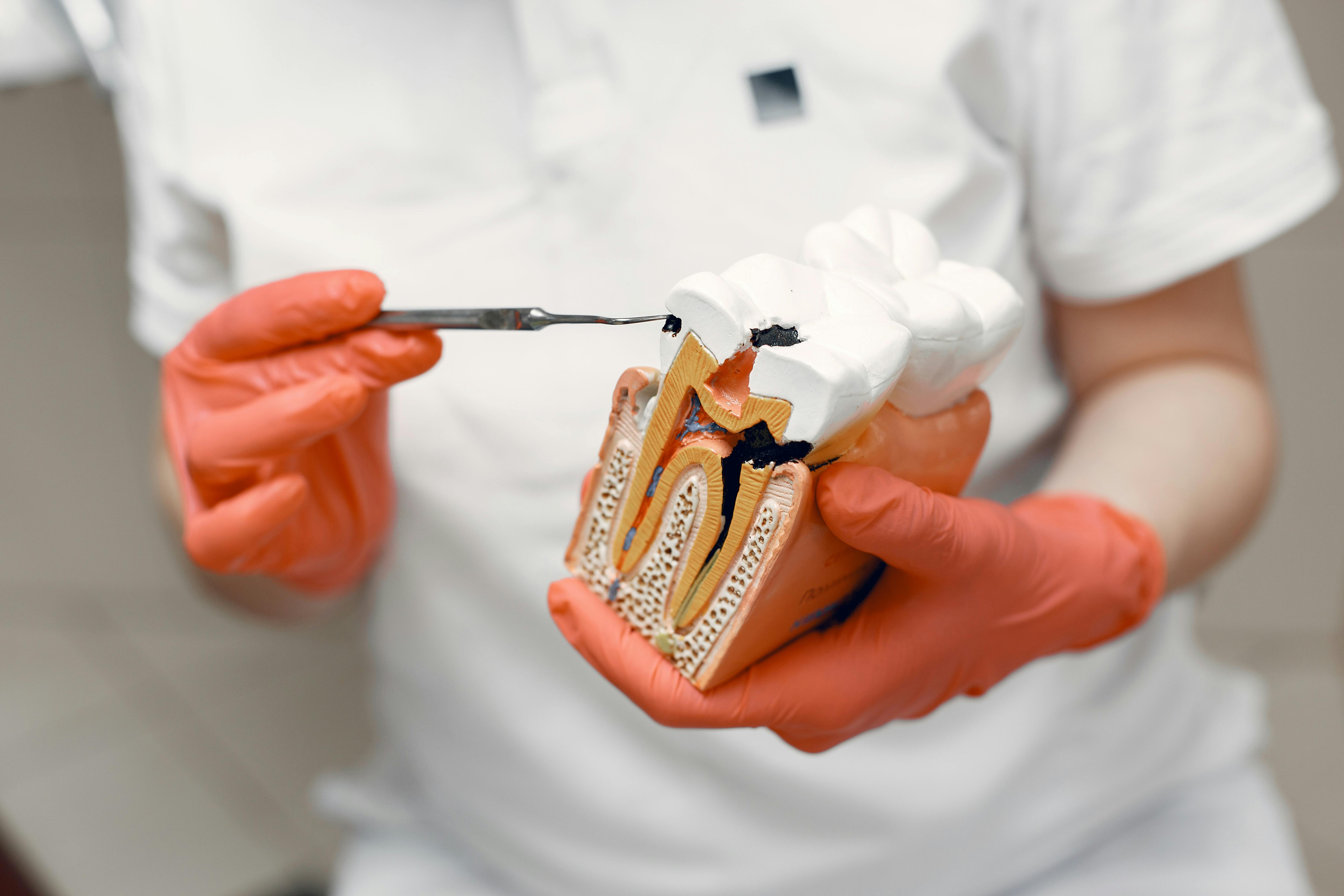
The center of the tooth is known as the root canal or pulp, and is made up of blood vessels and nerves. Bacteria seeping into the pulp can inflame the tissue there. This inflammation, known as pulpitis, can be extremely painful. In some cases, an abscess will form if bacterial fluid fills a section of gum tissue with pus.
An untreated tooth infection can be dangerous, possibly spreading to the jaw and even seeping into the bloodstream. For this reason, dentists will recommend either fixing the tooth with a root canal procedure or pulling it.
When possible, dentists will almost always do what they can to save a tooth rather than pull it out. Ultimately, however, the decision is up to the patient.
Root Canal vs. Extraction: Comparing Procedures
A root canal procedure involves a dentist or endodontist removing the infected tissue at the center of a tooth, then covering it with a crown meant to look and feel like a natural tooth.
- The patient is given either a local anesthetic to numb the tooth or is sedated.
- The dentist drills a hole into the tooth and removes the infected pulp.
- After disinfecting the emptied root canal, the dentist fills and seals the hole with a material such as gutta-percha.
- A temporary crown is placed on the tooth.
- A permanent crown is attached at another appointment. This is typically about two weeks after the root canal, allowing time for the tooth to heal and for a lab to fabricate the crown.
A tooth extraction takes considerably less time.
- The patient usually needs only a local anesthetic. Sedation may be necessary for some, especially if the tooth is impacted, meaning it has not broken through the gum line.
- Once the patient is comfortable, the dentist will loosen the tooth by rocking it back and forth with dental tools, then gently pull it out.
- If the tooth is impacted beneath the gum, the dentist may need to make a small incision to expose it.
- The empty socket is cleaned to prevent further infection.
Pain and Recovery Time
Many patients fear a root canal or getting a tooth pulled. Thanks to the anesthetics used, most people find both procedures mostly pain-free and with similar recovery times.
What to Expect After a Root Canal
Once the numbness wears off from the anesthetics, patients typically feel minor pain and discomfort, which usually fades after about 24 hours. Swelling should go down within a few days. In the meantime, dentists recommend eating soft foods, avoiding hot or cold drinks, and taking special care when brushing and flossing. Full healing is usually experienced within a few weeks after placement of the permanent crown.
Root canal pain relief options include over-the-counter items like Ibuprofen or Acetaminophen, or a topical anesthetic. The endodontist may prescribe something stronger if necessary.
What to Expect After an Extraction
When the anesthetic wears off, it is common to have some tenderness, swelling, and light bleeding at the extraction site. Over-the-counter pain relievers are usually enough to deal with pain after a tooth extraction, as long as it’s healing properly.
Healing involves a clot forming where the tooth was pulled. If a clot fails to form, the patient could develop a painful complication known as dry socket, where the bone and nerves are exposed. This complication is not common, affecting only about 2% to 5% of patients.
To treat dry socket, the dentist cleans the empty socket and fills it with medicine that promotes healing and keeps further infection away. Additional prescription pain medication or antibiotics might also be necessary. Even with dry socket, healing time for a tooth extraction is typically complete within two or three weeks.
Follow-Up Procedures After a Root Canal or Tooth Removal
Once a patient has a root canal, the tooth is fixed, and the crown can last 10 to 15 years or more.
A tooth extraction will stop the pain, but it doesn’t fix the problem completely. Missing teeth can result not only in a gap in your smile but also in a misaligned bite, bone loss, and the remaining teeth shifting around. Over time, the patient’s cheeks and lips can look sunken in. There is also a link to health issues like respiratory problems, cardiovascular disease, and other ailments.
For these reasons, dentists recommend tooth replacement with dentures, implants, or a dental bridge. While these are optional, getting them takes additional time and expense.
How Much Does a Root Canal or Tooth Removal Cost?
At first glance, a root canal vs. tooth extraction cost comparison seems straightforward. Without insurance, the average cost of a root canal is $1,200. The cost for a simple extraction of a non-impacted tooth is much less expensive at only about $300.
If opting to replace an extracted tooth, however, patients should budget about $1,600 for either a single implant or dentures. A dental bridge can cost as much as $3,000.
This means that having a root canal procedure can make better financial sense, in addition to saving the tooth.
Root Canal vs. Tooth Extraction: A Comparison Chart
| Tooth Removal | Root Canal | |
| Timeframe and Durability | Removal in one day, but an implant or bridge is usually recommended as replacement. That can take weeks or months and last up to 30 years. | Procedure is done in one day, but the patient must wait two weeks for a permanent crown, which can last up to 15 years. |
| Recovery | Complete healing within 2-3 weeks. | Swelling for several days, with full healing several weeks after permanent crown placement. |
| Cost without Insurance | Extraction is around $300, while an implant or bridge can be up to $3,000. | Cost of a root canal is around $1,200. |
Root Canal vs. Extraction: Which is Better for You?
Deciding between root canal vs. extraction is not as simple as figuring out which will make the pain go away. Either one will accomplish that. Other factors like cost, what’s involved in the procedure, and how quickly you’ll heal are important too.
If you’re facing this decision, it’s time to discuss your options with your dentist. Together, you can come up with a plan that fits your particular situation and will alleviate your pain now, and that will best protect your dental health going forward. Our online search tool will help you find a dental professional near you.