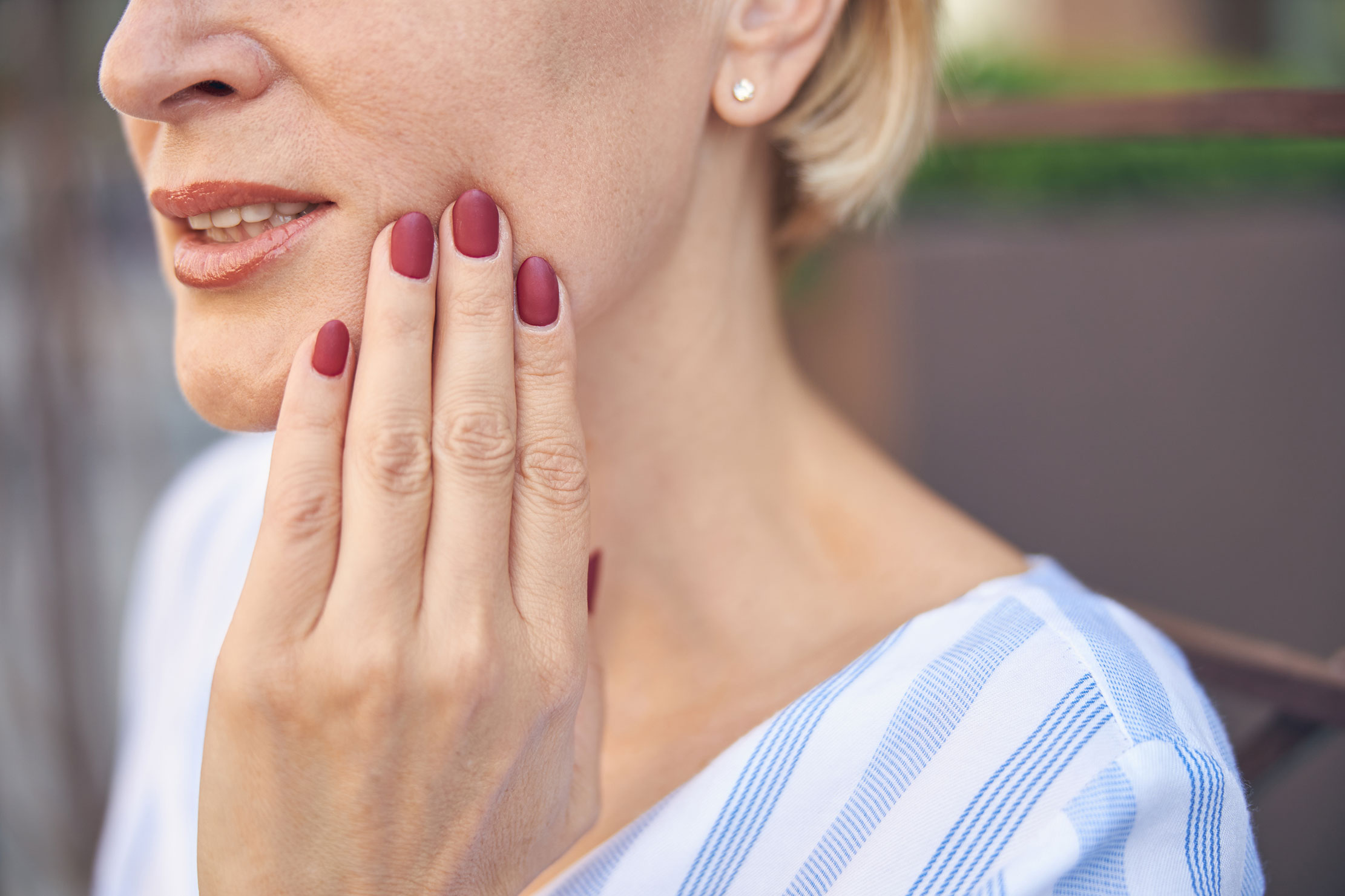
Tooth sensitivity can show up as a quick zing when eating something cold, a sharp pain when sipping a hot drink, or just general discomfort when chewing.
When it comes on suddenly and is only in one tooth, many patients jump to worst-case conclusions, like:
I must have a tooth infection.
I’m going to need a root canal.
What if I lose my tooth?
The truth is that sudden tooth sensitivity doesn’t always indicate something serious. However, it could be a warning sign that a problem is developing – most likely that a nerve is exposed or otherwise affected. We’ll discuss why one tooth might be suddenly sensitive, and when it’s important to see a dentist.

One Tooth is Sensitive to Cold or Hot
If you only feel sensitivity when you drink something cold or hot, there are a couple of possibilities:
The enamel is wearing down. Enamel is the hard, protective outer layer of the tooth. When enamel wears down, the nerves within the tooth react to temperature more than they normally would, causing sensitivity. Enamel is composed of minerals called calcium and phosphate, and those minerals can be stripped away (or demineralized) via chemical erosion from acidic drinks like soda or wine, or even from stomach acid. Enamel can also wear down from physical abrasion due to brushing too hard or using abrasive toothpaste.
Demineralization is the first step in tooth decay, before a cavity has formed. In many cases, it’s possible to restore enamel’s strength by using enamel-repair toothpaste with fluoride or professional fluoride application. When enamel is too far gone to restore, a dentist can apply dental bonding, a crown, or a veneer to protect the tooth.
You have an exposed tooth root. Each tooth contains a root which houses dental pulp and nerve endings. The root is usually covered by connective tissue called cementum and is located under the gums. When gums begin to recede — or pull away from the tooth — the root and cementum become exposed, and that’s when nerve endings are likely to react to hot and cold. Gum recession happens due to poor oral hygiene, aggressive brushing, or genetics.
If gum disease is in its early stages, a dentist may recommend brushing more frequently at the gumline to stop gums from receding, and using an over-the-counter desensitizing toothpaste to alleviate tooth sensitivity. However, advanced gum recession may require gum graft surgery by a periodontist to restore the gums and prevent tooth loss.
An early cavity. If a small hole has already formed in the tooth, bacteria can settle in and cause tingling and pain when exposed to hot and cold. A dentist can fill the cavity to remove the decay and protect the root and nerve from further damage. This should stop the sensitivity.
Your Tooth is Sensitive When Biting Down or Chewing
If one tooth suddenly becomes sensitive when you’re eating, it could be due to:
A cracked, loose, or missing filling. Biting down on something hard can cause a filling to crack or fall out. This can allow food particles to get stuck in the vacant hole, and cause sensitivity to cold or hot beverages as the liquid passes over exposed nerves. Some patients can actually see a hole where the filling was or a dark spot on the filling if it’s cracked, but it often requires a dentist’s trained eye to determine if a filling is broken or missing. Re-applying or fixing the filling should take care of the sensitivity.
A bite imbalance after dental work. If you’ve recently had a filling or crown, your bite could be a little off because the crown or filling is higher than your original tooth was. This causes specific teeth to bear excessive, uneven pressure, leading to pain, soreness, tender roots, and increased sensitivity when eating. Scheduling a follow-up appointment will allow a dentist to identify high spots and grind down and polish the surface for a proper, comfortable bite.
Your Tooth is Sensitive
After Whitening
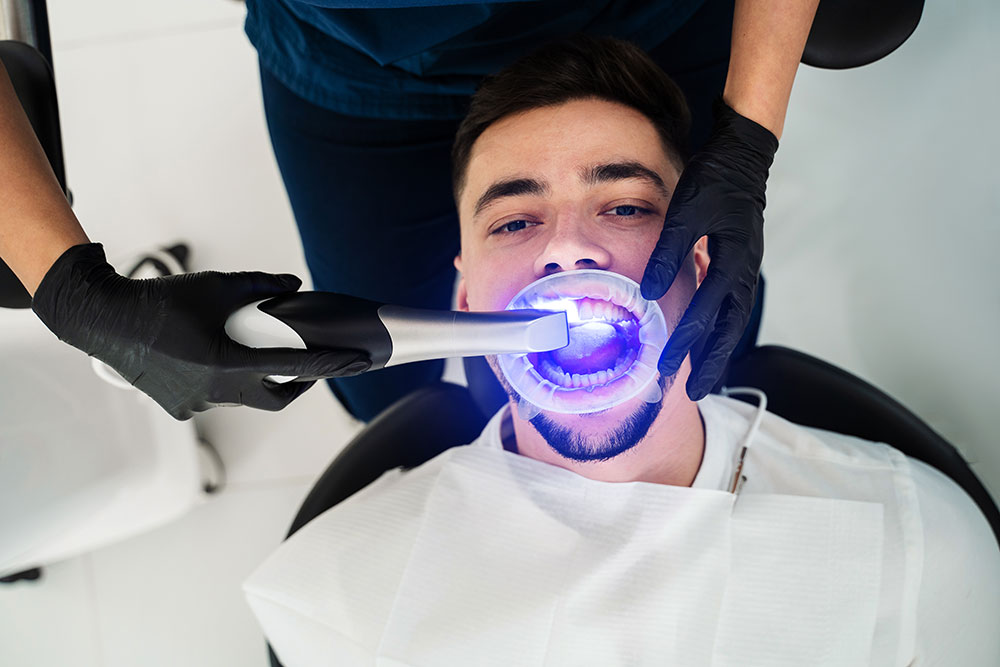
Teeth whitening strips are made with hydrogen peroxide, which temporarily opens up microscopic pores in the tooth enamel. This exposes the inner layer called dentin, which has small tubes leading straight to the tooth’s nerve. Some people’s teeth are more sensitive to this than others, so if you feel a zing shortly after whitening, stick to products with lower peroxide levels (around five to six percent) and shorter application times (five minutes an application).
You Have Upper Back Tooth Sensitivity Along with Sinus Pressure
The sinuses are located just above the back teeth in the upper jaw, and when sinuses are inflamed, they push into the roots of those teeth, causing sensitivity, pressure, and pain. So if your tooth discomfort is accompanied by a stuffy nose, nasal drainage, and pressure in the face, it may mean you have a cold or sinus infection. See a doctor for an evaluation, since a decongestant or antibiotic could offer overall relief.

When is Tooth Sensitivity Urgent?
While a sensitive tooth can be annoying, it is not always a reason to see the dentist that day. But in certain situations, tooth sensitivity warrants an immediate dental exam:
- It’s accompanied by fever and swelling. This could indicate an infected tooth, or abscess, that requires antibiotics to keep the infection from spreading.
- The tooth continues to ache for more than 30 seconds after that initial zing. This could mean the inner pulp is irritated or damaged, and a root canal may be necessary to save the tooth.
- You see a visible chipped edge or crack. Either of these can expose the tooth’s inner layers, making it more vulnerable to bacterial buildup. Repairing the tooth with a crown or veneer may be the best solution.
- There’s a bad taste in your mouth. A bitter or foul taste can mean there’s an infection.
How to Handle a Sensitive Tooth Between Dental Visits
If a sensitive tooth is bothering you before you can see a dentist, try these at-home methods to reduce discomfort:
- Use toothpaste designed for sensitive teeth, such as Sensodyne.
- Brush gently with a soft-bristled brush, since aggressive brushing can wear away enamel.
- Limit acidic and sugary foods since they can aggravate exposed nerves.
- Buy a mouth guard to prevent clenching or grinding teeth at night.
Not Sure if Your Sudden Tooth Sensitivity Warrants Concern? Ask a Dentist Near You
The best way to determine if a sensitive tooth signifies a bigger problem, is to explain your symptoms to a professional. A specially trained expert will listen to your symptoms and determine if it’s best to be seen in the office. To find a provider near you, click here.