
For many people, getting a dental crown is stressful, and walking around for two weeks with a temporary crown can add an additional layer of stress. Although this prolongs
the process, it is quite safe and goes smoothly for most.
Still, sometimes when a temporary crown hurts to bite down on or you get a toothache after getting a temporary crown, it can mean something else is going on. It’s always best to find out what is considered normal and what calls for a trip back to the dentist.
Why Do Dentists Use Temporary Crowns?
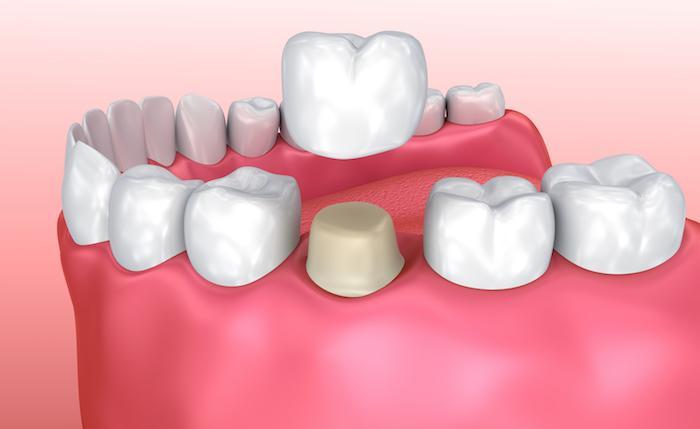
The dentist must take special care when fabricating the permanent crown to make sure it will stay in place for a long time and function as a normal tooth. This requires shaving down and making impressions of the natural tooth and making impressions of it, then sending those impressions to a lab who fabricates the permanent crown. This usually takes around two weeks, although a few offices can do it on the same day.
During this time, the shaven-down natural tooth must be protected. Because some of the enamel has been shaved off to make room for the crown, it is a bit more sensitive and prone to damage. A temporary crown can be fitted on the same day and worn for a couple of weeks to protect the natural tooth until the permanent one comes in.
What is Considered Normal Temporary Crown Pain?
Slight discomfort is common, especially for the first few days after the crown prep procedure. This can be happen because:
- The dentin layer is exposed after shaving the enamel, which can irritate the nerves.
- The gums are tender and irritated from the temporary crown placement.
Sometimes the temporary crown can hurt when biting down, but this should subside in a few days. It’s best to avoid very crunchy or sticky foods that might bother the sensitive tooth or pull the temporary crown out of place.
The temporary crown can also feel strange simply because the bite is different or the tooth is a slightly different shape than the natural tooth was. This can bother some people. As long as it does not interfere with chewing and does not cause the temporary crown to hit or scrape against another tooth, it is normal. When the permanent crown is put in, make sure to tell the dentist if the bite feels off. They will fix it so that it doesn’t inhibit chewing.
When is Temporary Crown Pain a Cause for Concern?
Although slight pain and sensitivity are normal, severe or prolonged temporary crown pain are not. It is particularly important to recognize signs of normal temporary crown pain vs. pain from infection. Some research indicates that the properties of temporary crowns can make it easier for bacteria to enter and cause infection. However, this is rarer over short periods, like the two week wait for a permanent crown.
Signs that something might be wrong with the temporary crown include:
- Pain when biting down that is severe, gets worse over time, or continues after a few days. This may mean
that the temporary crown doesn’t fit correctly and is putting too much pressure on the tooth or that the
tooth is fractured. - Severe toothache after getting a temporary crown. This can also indicate that the crown fits poorly or that the tooth is fractured.
- Gum or tooth pain that doesn’t go away after a few days or is accompanied by swelling, redness, a fever, bad breath or a bad taste in the mouth—this indicates an infection might be present.
- The temporary crown feels loose or falls off. This exposes the sensitive tooth underneath.

When to Call a Dentist
If any of the above signs occur or if your temporary crown is causing so much discomfort that you are unable to eat normally, it’s time to see a dentist. They can determine whether you are experiencing normal temporary crown pain vs. infection in the tooth or gums, and treat the infection right away if you have one.
And if your crown is loose or falls off, the dentist will need to reattach it as soon as possible. In the meantime, if your temporary crown falls off, avoid chewing with that tooth. Often, a dentist can make a same-day appointment to reattach a temporary crown that falls off.
If you need help finding a dentist to get a crown or any other dental procedure, use our dentist finding tool and book an appointment today.