

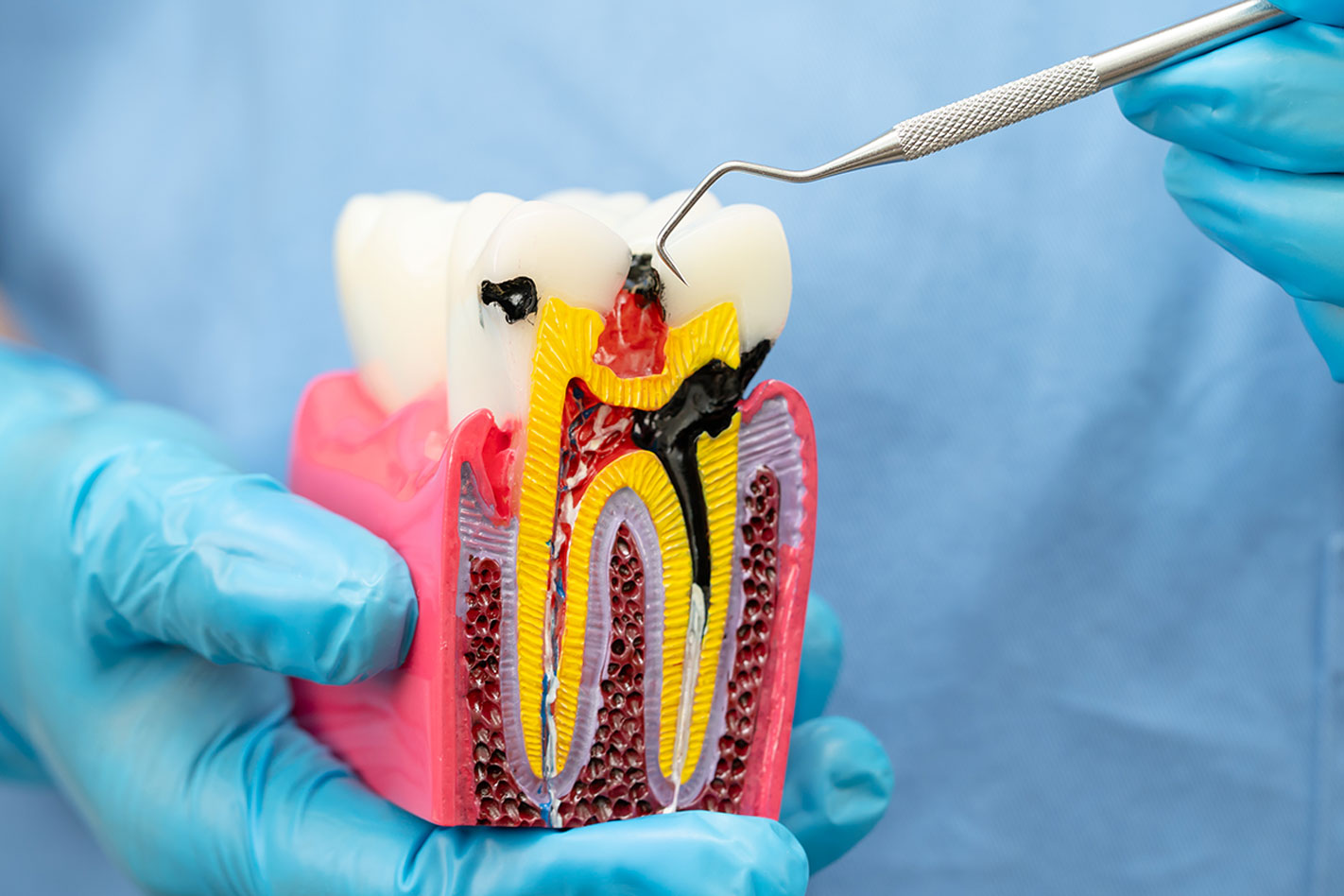
When a cavity is left untreated for too long, a traditional filling is not enough to remove the decay and repair the damage. In order to save the tooth, a dentist might suggest a root canal or a crown. The recommendation will depend on the extent of decay and the tooth’s structural integrity. A good dentist will always have the patient’s overall oral health in mind when making a dental treatment decision.

When is a Filling Not Enough?
A cavity is a hollow area in a tooth caused by tooth decay. If a cavity is small or shallow, a dentist can remove the decay, clean the area, and fill the remaining space with filler material that prevents bacteria and infection from spreading. But if the cavity has grown too large and bacteria have made their way through the tooth’s protective layers, the damage might be too severe to save the tooth with a traditional filling alone. This is when a dentist will recommend a crown, root canal, or a combination of both to preserve the tooth rather than pull it.
When a Crown is Recommended
When a cavity spreads through the enamel and into the soft tissue called dentin, where nerves are, it can weaken the tooth’s structure and stability. But as long as bacteria have not spread all the way to the center of the tooth, a dentist can still save it by cleaning out the decay and filling it. If the cavity is large, however, a tooth might end up with more filling material than the original tooth. In these cases, the dentist may opt to cap the tooth with a crown. Made to look and feel like natural teeth, crowns are placed over the tooth, protecting it and restoring its strength and function.
When a Dentist Will Suggest a Root Canal
A cavity that has spread all the way to the center (or pulp) of the tooth is not only painful, but can also spread bacteria to nerves and blood vessels. Left untreated, this infection can travel to the surrounding teeth and even into the jaw and bloodstream, which can be life-threatening. A filling is not enough because the pulp has already been damaged and needs to be removed. This is when the best dental treatment decision is a root canal.
A cavity that has spread all the way to the center (or pulp) of the tooth is not only painful, but can also spread bacteria to nerves and blood vessels. Left untreated, this infection can travel to the surrounding teeth and even into the jaw and bloodstream, which can be life-threatening. A filling is not enough because the pulp has already been damaged and needs to be removed. This is when the best dental treatment decision is a root canal.
During a root canal procedure, the dentist drills a hole into the tooth to take out the infected pulp. After disinfecting the inside of the tooth, resin or other material is used to fill the hole and seal it off. Next, a crown is then placed over the tooth to protect it from damage and allow it to function, look, and feel like the real thing. Once a patient has a root canal, the tooth is fixed, and the crown can last 10 to 15 years or more.
How Does a Dentist Decide Between a Filling vs. Crown vs. Root Canal?
When making a dental treatment decision regarding tooth decay, an experienced dentist will thoroughly evaluate which option is best for the patient’s oral health. Generally, this will involve:
Asking about symptoms. A small cavity does not always cause pain, and a filling might be sufficient. On the other hand, a deeper cavity may reach the dental nerves, causing prolonged pain and sensitivity. This might call for more extensive treatment, like a crown or root canal.
A physical exam. Early decay may be visible as tiny white chalky spots on the surface of a tooth, while brown, black, or grey spots can indicate a deeper cavity or an infection. A patient with a severe cavity that has reached the pulp of the tooth might also have swollen gums or a pocket of pus called an abscess.
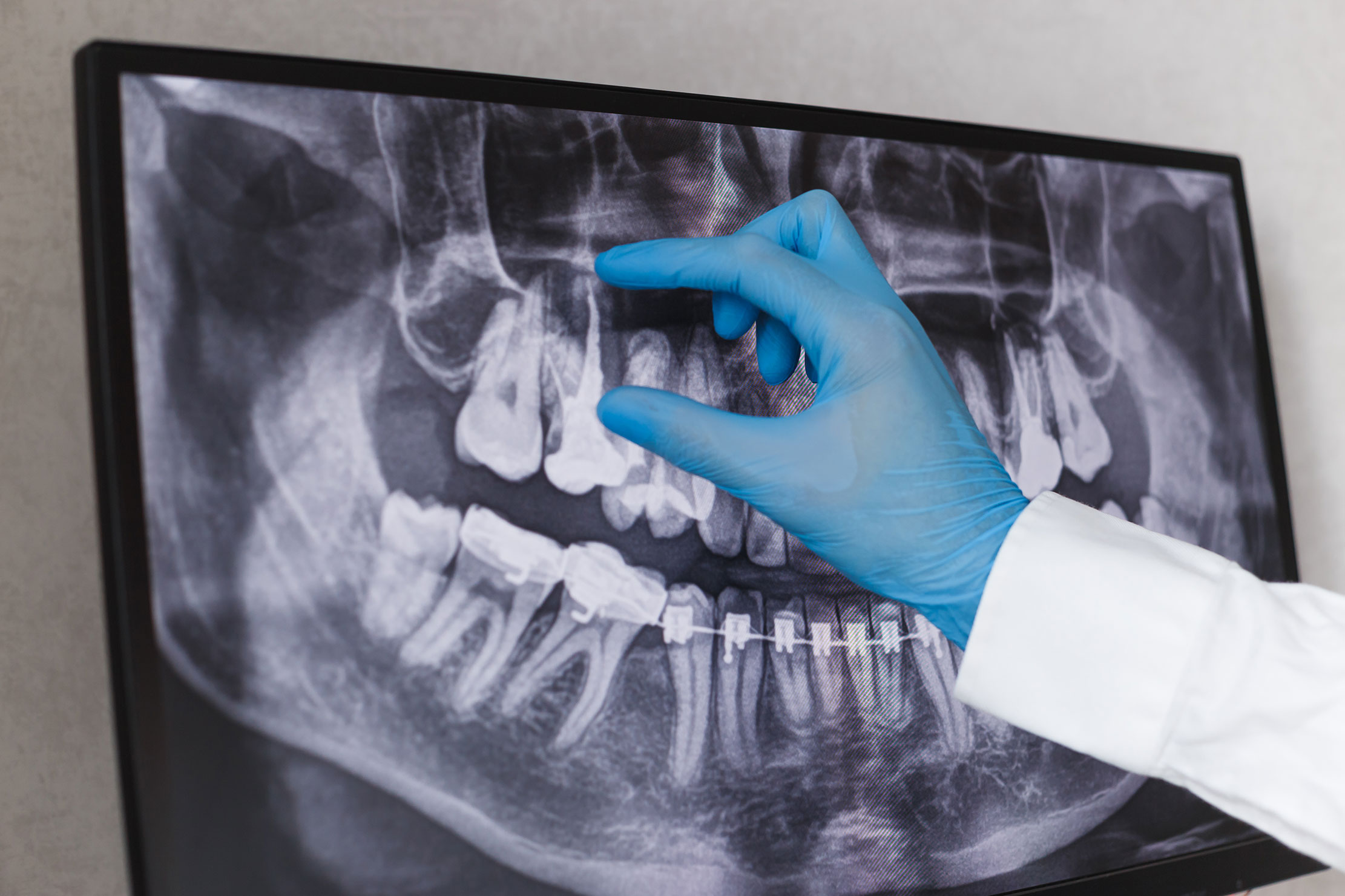
Taking X-Rays. X-rays are a standard diagnostic tool that allow dentists to see the depth of a cavity. A cavity on the surface of the tooth can be treated with a regular filling. If decay has traveled through the dentin and has compromised the tooth’s strength, a filling and crown may be the best treatment. If the X-ray shows that pulp is infected, the dentist will likely perform a root canal.
Find an Honest Dentist to Treat Your Cavity
A good, experienced dentist will never jump to conclusions that a patient needs a root canal. They will take time to consider what’s best to relieve your discomfort and preserve your oral health. Most importantly, they will discuss your options in depth, answering any questions and concerns.
If you don’t have a dentist you trust, or if you’d like a second opinion, our online search tool will help you find a provider near you