


When a dentist says a cavity is deep, many patients assume a root canal is the only option. In some cases, though, there is another treatment that may save the tooth’s natural nerve. This procedure is called pulp capping. Understanding how pulp capping differs from a root canal can help patients better understand their treatment options.
What Is Dental Pulp?
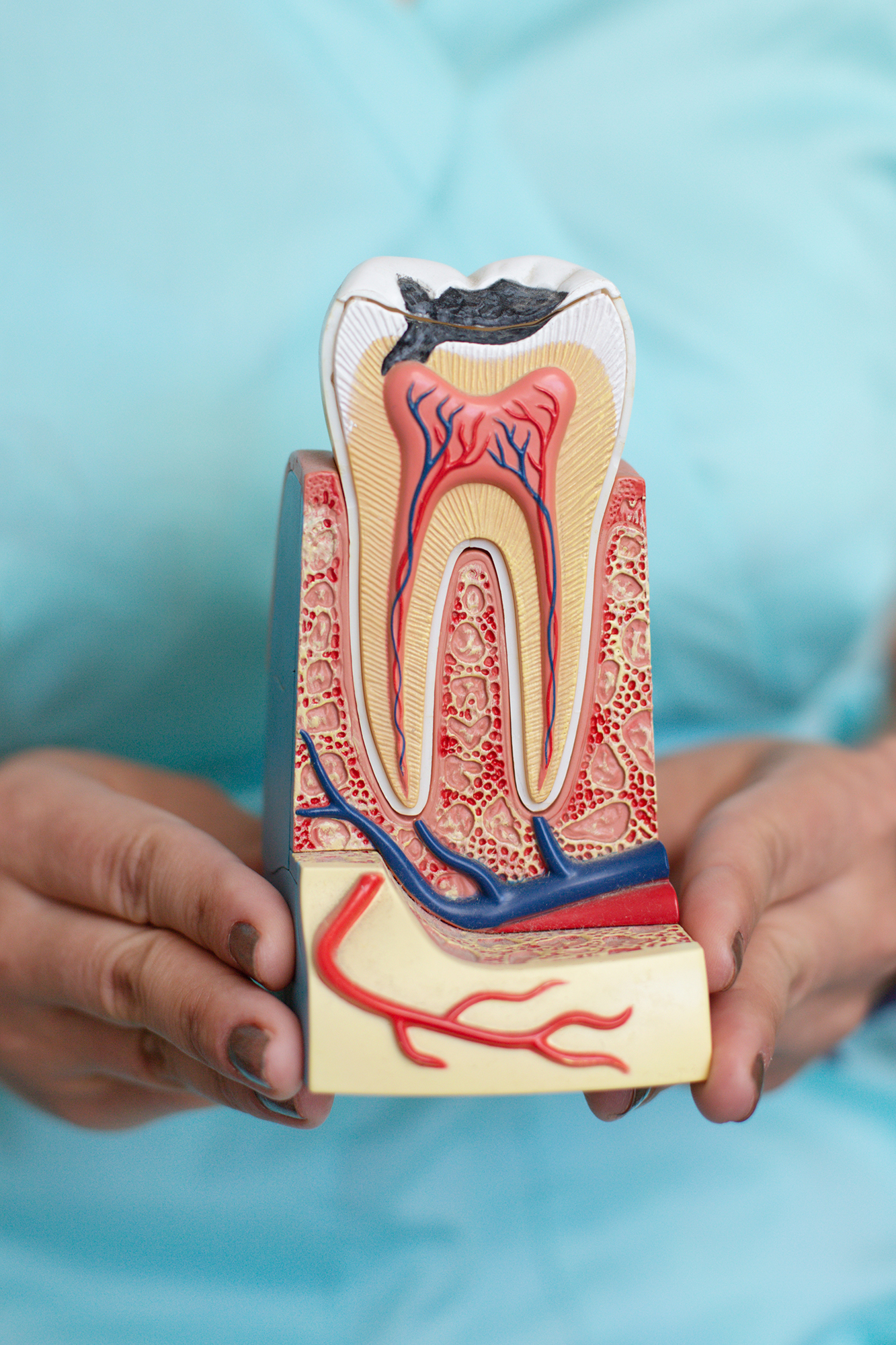
Inside every tooth is a soft inner layer called the pulp. The pulp contains nerves, blood vessels, and connective tissue that keep the tooth alive. When a cavity grows deep enough, it can irritate or damage the pulp. At that point, the dentist must decide whether the nerve can be protected or needs to be removed.
What Is Pulp Capping?
Pulp capping is a treatment used to protect and preserve a healthy tooth nerve when a cavity is very close to it, or has just barely reached it. After removing the decay, the dentist places a protective material over the pulp area to help it heal. The tooth is then sealed with a regular dental filling.
The goal of pulp capping is to keep the nerve alive so the tooth can continue to function normally.
Direct vs. Indirect Pulp Capping
There are two types of pulp capping:
Indirect pulp capping is used when decay comes very close to the nerve but does not expose it. The dentist removes most of the decay and places a protective material over the thin layer left near the pulp. This helps calm the nerve and lowers the risk of future damage.
Direct pulp capping is used when a very small part of the nerve is exposed when the cavity is removed. The protective material is placed directly over the exposed pulp to seal it and encourage healing. This option only works when the nerve is still healthy and there are no signs of infection.
In both cases, materials such as calcium hydroxide or mineral trioxide aggregate (MTA) act like a bandage, helping the tooth form a natural protective barrier. Then the dentist places a regular filling on top to seal the tooth.
How Pulp Capping Can Help Avoid a Root Canal
Pulp capping can help a patient avoid a root canal, but only in specific situations. Dentists carefully evaluate several factors before recommending this treatment:
- The pulp must be healthy. Ongoing pain, pain that wakes a patient at night, or sensitivity that lingers long after eating or drinking usually means the nerve cannot heal on its own.
- The exposure must be small. Pulp capping works best when the nerve is barely exposed or not exposed at all after the cavity is removed.
- There must be no serious infection. Swelling, throbbing pain, or an abscess usually means the infection has spread too far.
- Enough healthy tooth must remain. The tooth must be strong enough to support a filling after decay is removed.
If these conditions are not met, pulp capping is unlikely to succeed.
When a Root Canal Is the Better Option
A root canal is recommended when the pulp is badly infected, damaged, or unlikely to heal. During a root canal, the dentist removes the pulp, cleans the inside of the tooth, and fills it with a special material to keep the root stable. Most root canal–treated teeth also need a crown. A crown covers the whole tooth to restore strength and protect the tooth.
Comparing Pulp Capping and Root Canal Treatment
Both treatments aim to save the natural tooth, but they work in different ways.
Pulp capping keeps the tooth alive, while a root canal removes the nerve. Pulp capping is usually quicker, less invasive, and less expensive. Recovery is often fast, with little discomfort.
Root canals take longer and cost more, but they have a very high success rate when the pulp is already damaged.
Success depends on timing. Pulp capping works best when problems are caught early. Root canals are more reliable when the tooth is already compromised.
How Dentists Decide
Dentists use X-rays, nerve testing, and a patient’s symptoms to decide which treatment is best. Short, mild sensitivity is very different from constant or severe pain. Dentists also consider the patient’s overall oral health and ability to care for the tooth long term.
The goal is always to choose the least invasive treatment that has the best chance of success. Acting quickly when tooth pain or sensitivity starts gives the dentist more choices and improves the chances of saving the nerve.

Is Pulp Capping an Option for Your Tooth?
With today’s dental materials and techniques, both pulp capping and root canal therapy can successfully restore comfort and protect a patient’s smile for years to come. Patients should feel comfortable asking why a certain treatment is recommended and what other options may exist.
To find a dentist near you and learn which treatment is right for your tooth, try our online appointment scheduler.