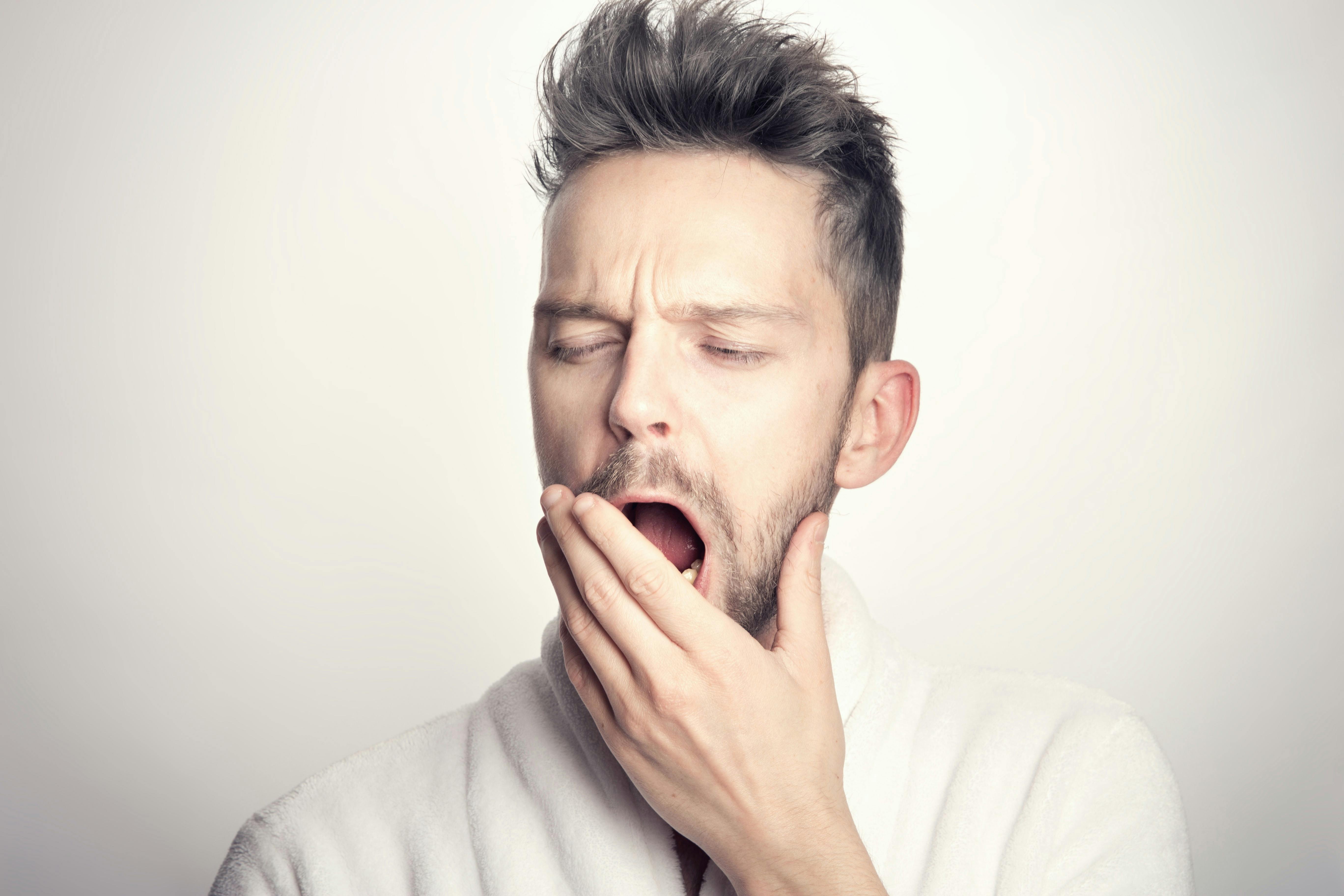
Occasional dry mouth at night can result in bad breath and a scratchy throat in the morning. But if it happens often, it can lead to more than just minor discomforts. Those with chronic dry mouth are more vulnerable to dental conditions like tooth decay and gum disease. Not only is this detrimental to one’s oral health, but it can also take a toll on overall health and well-being.
Many things can make you feel parched during the day, but the two most common culprits for overnight dry mouth are mouth breathing and a lack of saliva production, called xerostomia. How to treat dry mouth depends on the underlying causes, which may be dental, medical, or behavioral.
Why Do I Get Dry Mouth at Night?
Our salivary glands don’t make as much saliva while we’re asleep. It’s also fairly common to sleep with an open mouth. Both of these can lead to feeling thirsty when we wake up, but there are possible conditions that can make dry mouth at night worse for some than others.
Mouth breathing may result from:
- Congestion, sinus, or breathing problems
- Obstructive sleep apnea
- Deviated septum or narrow airways
- Jaw issues like malocclusions or a narrow palate
- Enlarged tonsils or adenoids
Xerostomia, or insufficient saliva production, may be caused by:
- Dehydration
- Aging
- Certain medications, such as antihistamines, decongestants, or antidepressants
- Medical treatments, like chemo or radiation
- Alcohol or drug use
- Smoking or vaping

Dangers of Dry Mouth
Saliva plays a very important role in the body, allowing us to taste, swallow, and digest. It also helps keep the mouth clean by naturally rinsing away bacteria left behind by food and drink. Whether saliva isn’t being produced or is drying up because of mouth breathing, the resulting dry mouth at night can have both dental and medical risks.
Chronic dry mouth increases the risk of:
- Bad breath
- Cavities
- Gum disease (gingivitis)
- Fungal mouth infections like thrush
- Failure of dental restorations such as implants and crowns
- Problems wearing dentures
Dental care issues like these have, in turn, been linked to serious medical conditions, including:
- Cardiovascular disease
- Diabetes
- Respiratory infections
- Alzheimer’s disease
- Pregnancy complications
Having dry mouth regularly may result in health issues, but it could also be a symptom of an underlying condition. It shouldn’t be ignored. Doctors’ and dentists’ treatment for dry mouth can often solve the problem before anything more serious develops.
Dentist Treatment for Dry Mouth
Those who notice mouth dryness at night but are otherwise healthy may want to begin by talking to their dentist. The dentist’s treatment for dry mouth will address both potential damage to the teeth as well as correcting any underlying dental problems that are causing the condition.
Preventive Dental Care
Since dry mouth can make one more prone to tooth decay, it is essential to practice good dental hygiene with regular brushing, flossing, and dental checkups that include professional cleaning. The dentist will be able to find and treat cavities right away if they appear. To prevent tooth decay, they may also suggest fluoride treatments to strengthen the tooth enamel or dental sealants for young patients.
Saliva Substitutes and Medications
The dentist may recommend mouthwash, rinses, or other products that mimic saliva or help create more of it. These typically contain ingredients such as xylitol, carboxymethylcellulose, or hydroxyethylcellulose.
Mouthguards
Although they are usually used for TMJ (temporomandibular joint dysfunction) or bruxism (teeth grinding), some patients might get relief from nighttime dry mouth from a mouthguard. If it can help the patient keep their mouth closed at night, dentists can create a custom guard that specifically fits the teeth.
Braces and Aligners
Mouth breathing, in particular, can stem from improper tooth alignment. Misaligned teeth, or malocclusions, include overbites, underbites, and crossbites, all of which can make a patient’s mouth fall open while asleep. These can be corrected with braces or clear aligners like Invisalign.
Palate Expanders
A narrow top jaw, or narrow maxillary arch, can also result in mouth breathing. The top arch may come to a distinct point at the front, making it hard for the lips to close over overlapping, protruding front teeth. This may be fixed using a palate expander, which widens the roof of the mouth, creating flatter alignment of teeth across the front.
Should You See a Doctor or a Dentist for Dry Mouth?
Patients who take prescription drugs and suffer from dry mouth may want to review the side effects with their medical provider. Likewise, if they have a known medical condition, their doctor may provide insight into whether dry mouth is a symptom. They may suggest xerostomia solutions and treatment, such as saliva substitutes or prescription medications that stimulate saliva production.
A doctor may also be the best choice if sleep apnea is suspected or if there are concerns with the sinuses, tonsils, or adenoids. They will order tests to diagnose the problem and develop a treatment plan.
Because dry mouth can damage teeth, it is still a good idea to talk to the dentist about it, even if there is a clear medical cause. The dentist will monitor the teeth during checkups, keeping an eye out for decay and providing treatment as needed.
How to Treat Dry Mouth at Home
There are several things that can provide relief from the discomfort of occasional nighttime dry mouth.
- Stay hydrated throughout the day
- Limit alcohol before bedtime
- Quit smoking
- Use a humidifier
- Saliva stimulants that the dentist may recommend are often available over-the-counter in the form of rinses, lozenges, and gum
- Try a nasal strip to promote nose breathing instead of mouth breathing
Social media influencers have recently promoted mouth taping to prevent mouth breathing. While this may work for some people, there is a lack of scientific evidence that it works. And some doctors warn that it can even be dangerous, especially for anyone with certain breathing issues, chronic allergies, or heart problems. We recommend checking with your dentist or doctor first.
Don’t Let Dry Mouth Impact Your Dental Health
While a bit of morning breath is normal, dry mouth at night can lead to more serious problems. Mouth breathing and not having enough saliva can damage tooth enamel and gums. See your dentist to find out about xerostomia solutions or if you need a dental or orthodontic fix. Our online search tool can help you find a dental professional near you.